
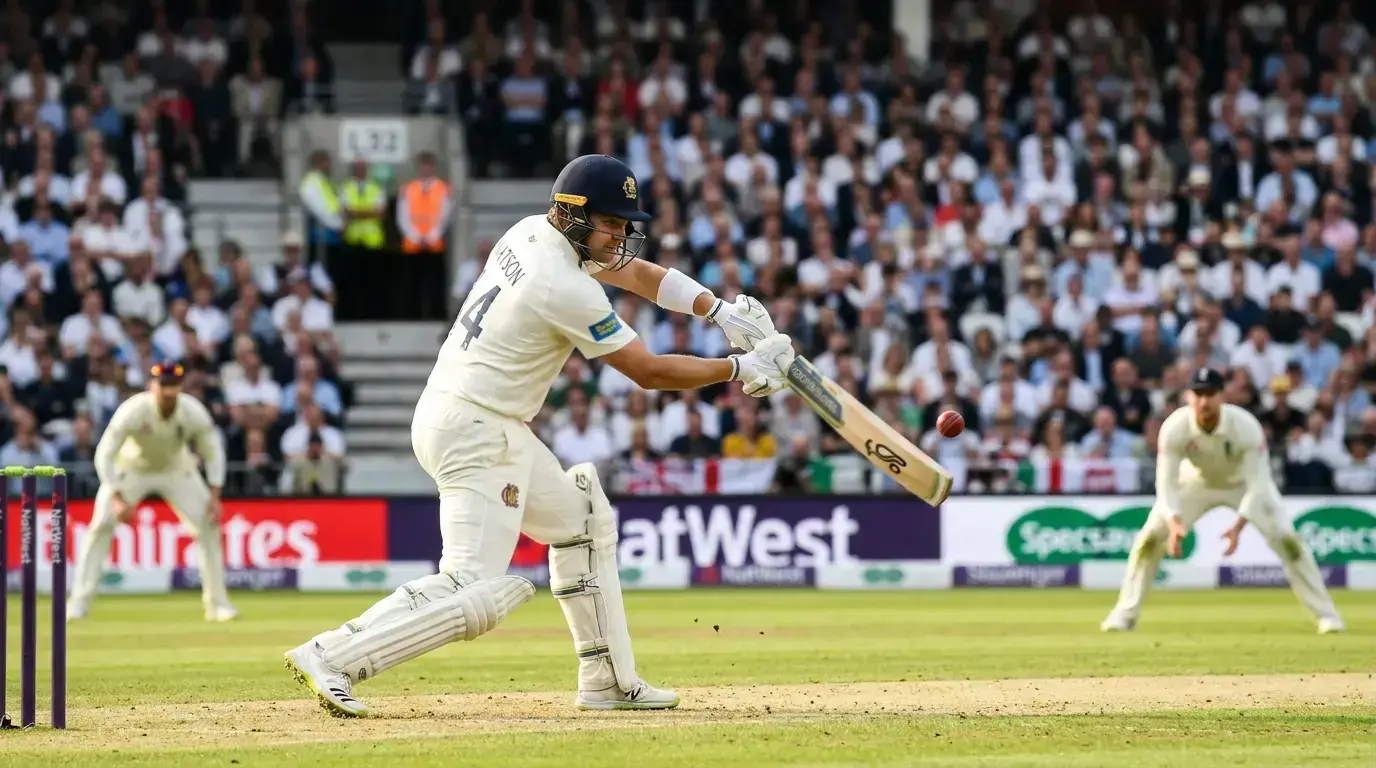

I backed Babar Azam at 5.50 for top batsman in an ODI against England, watched him walk out at number three on a flat Trent Bridge surface, and knew within ten deliveries that the price had been a gift. He made 158. The top batsman market is one of the few cricket betting markets where deep analysis consistently outperforms the bookmaker’s pricing, because the variables that determine the outcome — batting position, conditions, matchups, form — are knowable in advance but poorly synthesised by the market. Roughly 7% of UK sports bettors wager on cricket, and the top batsman market is where many of them leave value on the table.
How the Top Batsman Market Works
The mechanics are simple: you are betting on which player will score the most runs in a specified innings or match. If your selection scores the most, you win. Dead heat rules apply when two or more players tie for the highest score — your payout is divided by the number of players sharing the top spot. The market typically covers the entire batting lineup, with prices reflecting each player’s perceived probability of finishing as the leading scorer.
What makes this market interesting for analytical bettors is the pricing structure. Bookmakers set top batsman prices using a combination of batting average, recent form, and public perception. The problem is that batting average alone is a blunt instrument. A player who averages 45 in Test cricket might average 62 on flat pitches and 28 on seaming tracks. The bookmaker’s model knows this to some degree, but the adjustment is often insufficient — particularly in smaller markets where the pricing algorithm has less liquidity to calibrate against.
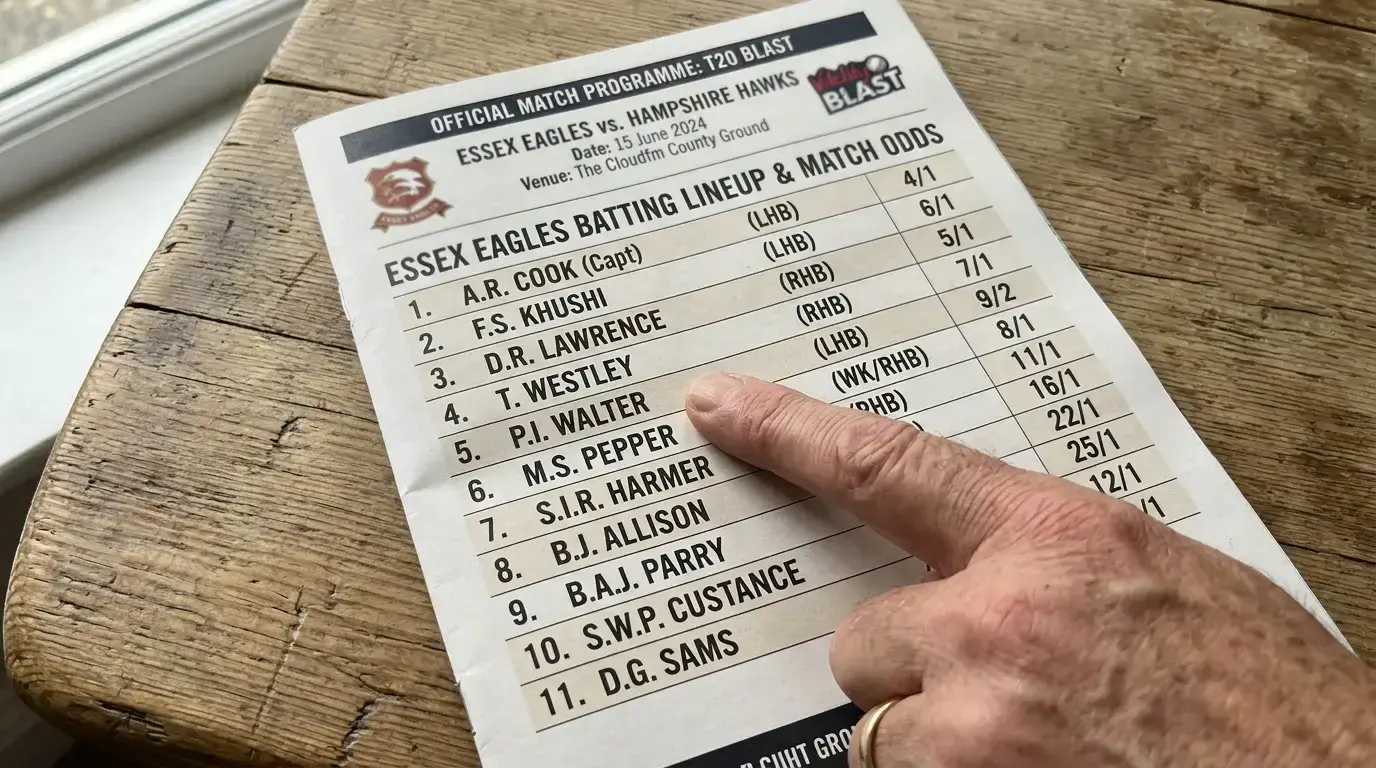
I have found that the top batsman market is most exploitable in bilateral series and domestic competitions where bookmaker attention is thinner. IPL and major international tournaments see sharper pricing because the volume forces constant adjustment. County Championship and bilateral T20I series, by contrast, often carry stale prices that do not fully reflect the latest team news, pitch reports, or batting-order changes. For a deeper dive into which batting statistics actually predict performance, I have covered the metrics in detail separately.
Batting Order: The Variable Most Bettors Ignore
Position in the batting order is the single strongest predictor of top batsman outcomes, and it is consistently underweighted by the market. An opener faces the most deliveries in a limited-overs innings — they walk out at ball one and, if they survive, bat through the middle overs and into the death. A number five batsman, by contrast, arrives with fewer deliveries remaining and often faces a harder bowling phase. The mathematical advantage of batting position is straightforward: more balls faced equals more opportunities to score runs.
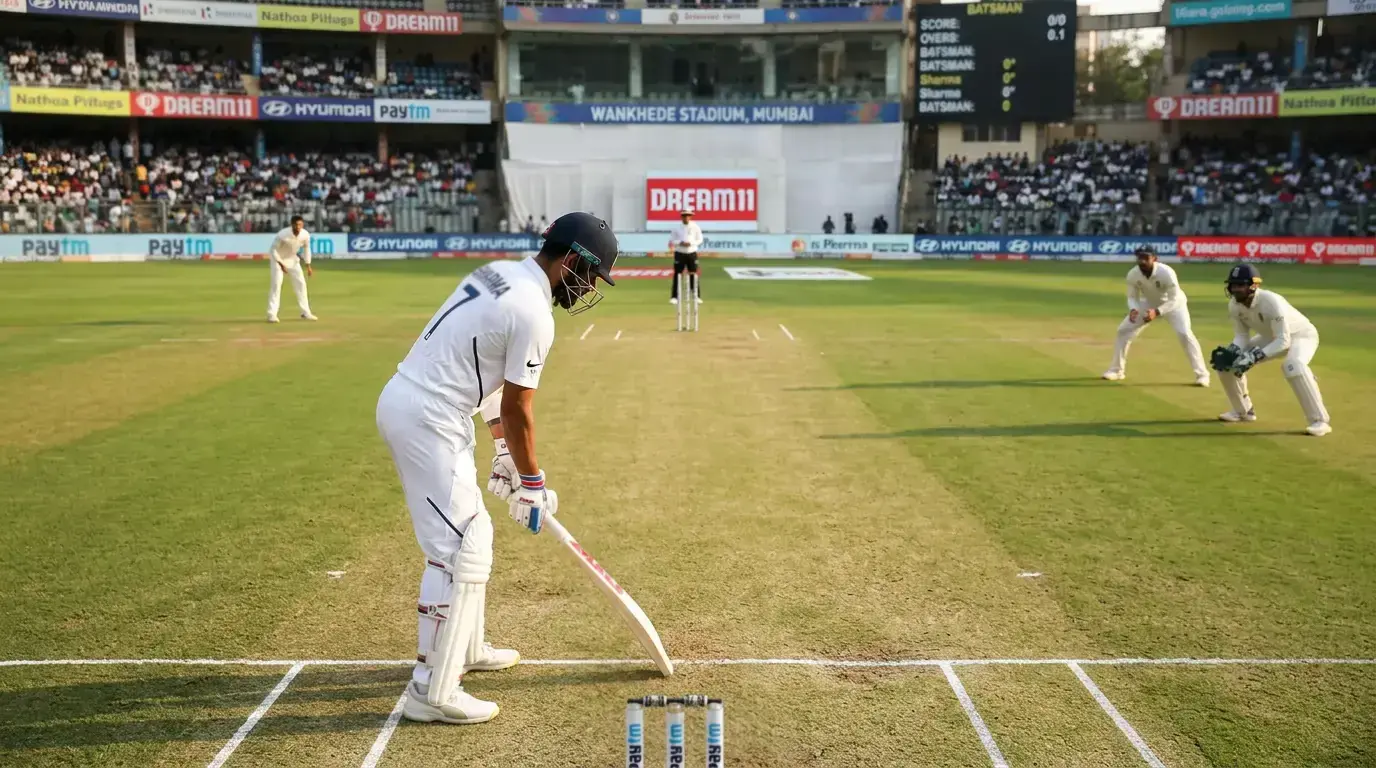
In T20 internationals, openers win the top batsman market approximately 40-45% of the time when they bat through or face at least 30 deliveries. Number three batsmen win it 20-25% of the time, and middle-order players below four win it less than 15%. Yet the pricing does not always reflect this gap. A star middle-order batsman with a flashy reputation can be priced at 4.00 while a consistent opener sits at 5.50 — the market overweighting name recognition over positional advantage.
I track batting-order confirmation as closely as team news. If a team switches its opener on match day — a surprisingly common occurrence in franchise cricket, where batting orders are flexible — the top batsman odds can shift significantly within minutes. Being positioned before that shift, based on pre-match intelligence about likely batting orders, is one of the most reliable edges in this market.
Conditions and Matchups That Tilt the Market
T20 favourites win 60-65% of the time, but the top batsman market does not care who wins — it cares who scores the most runs. A batsman on the losing side can still top-score if he played a brilliant innings in a failed chase or posted a big total that his bowlers failed to defend. This decoupling from the match result is what makes top batsman fundamentally different from match-winner betting, and it changes how you should assess conditions.
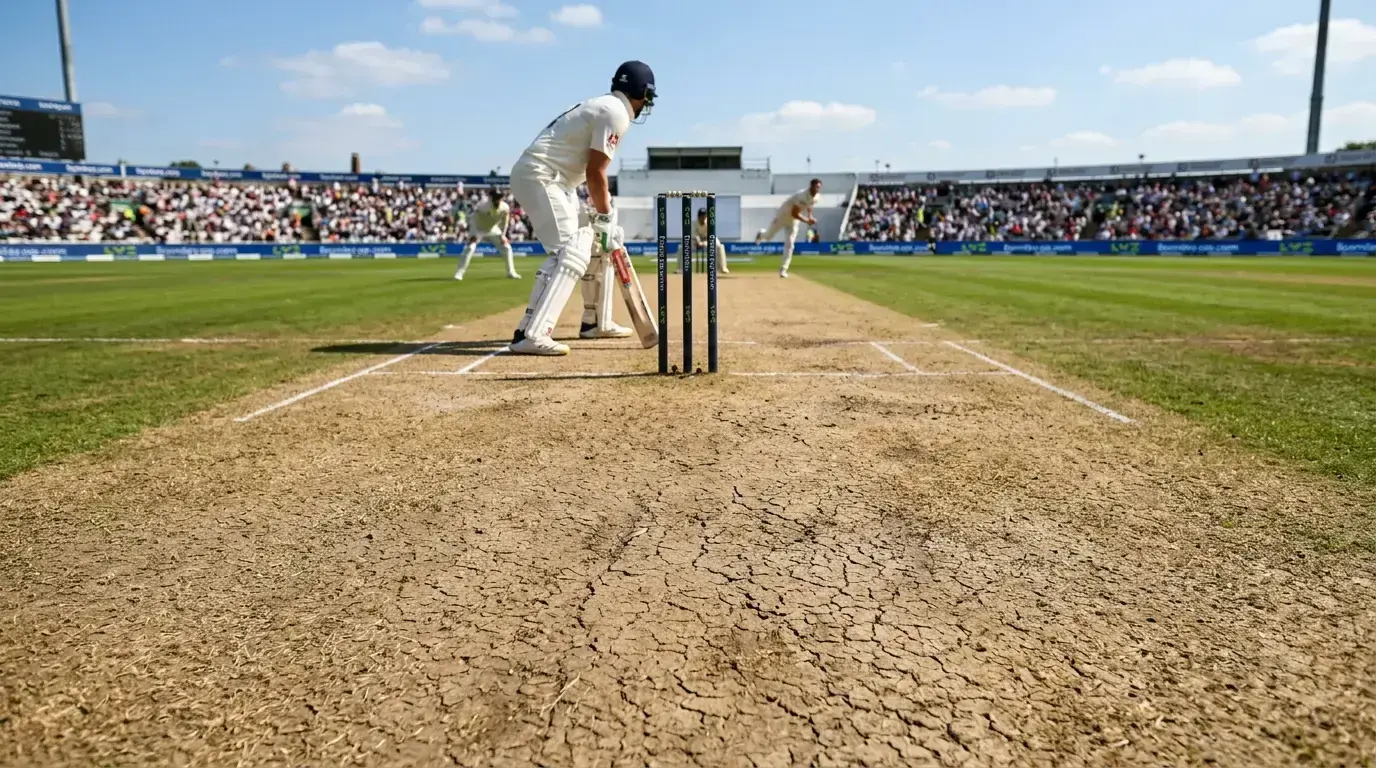
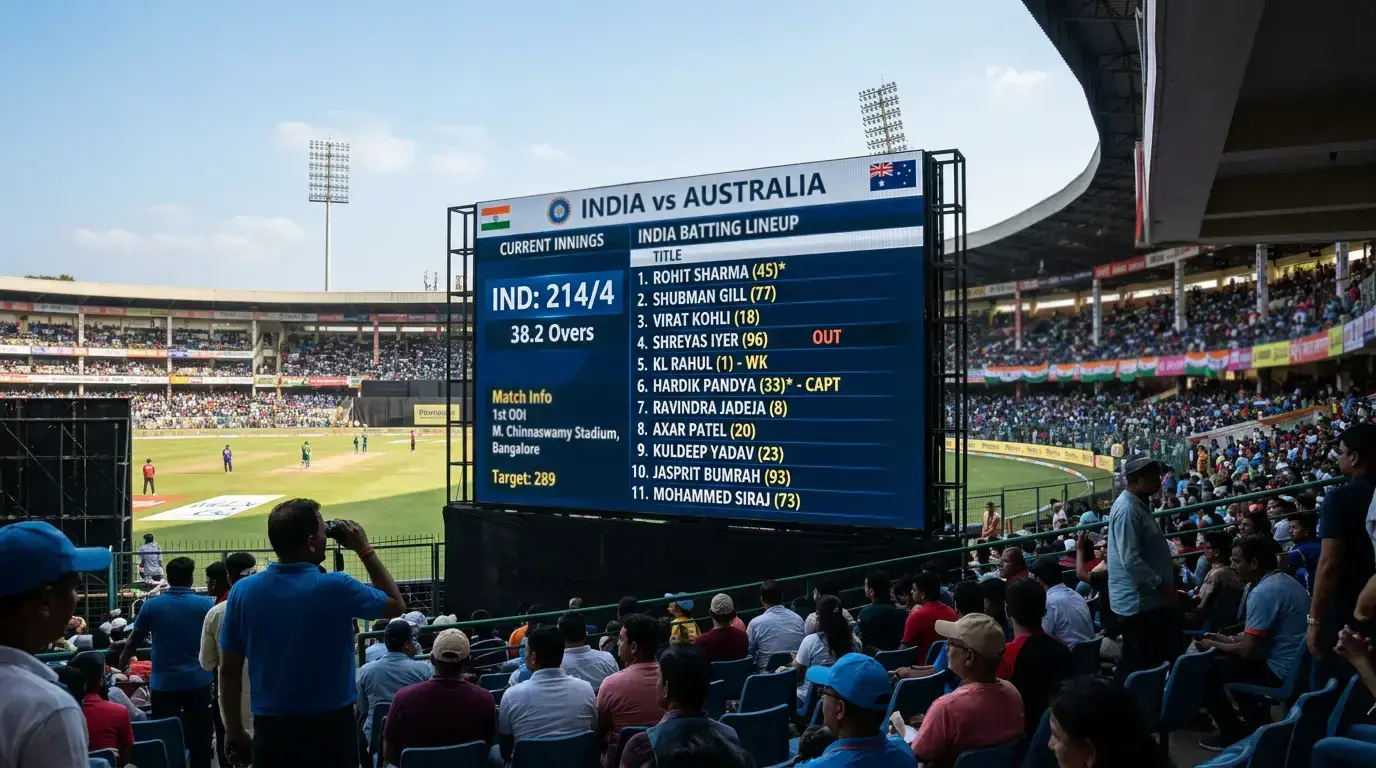
On flat batting pitches — Chinnaswamy in Bangalore, Trent Bridge in Nottingham, Newlands in Cape Town — the top batsman market favours aggressive accumulators who can convert starts into big scores. On seaming or spinning surfaces, the market favours technically sound players who survive the tough periods and accumulate while others fall around them. I adjust my top batsman model based on surface type: on batting tracks, I weight strike rate and boundary percentage; on bowler-friendly surfaces, I weight batting average and balls faced per innings.
Matchups matter more than aggregate stats suggest. A left-handed opener against a right-arm seam attack that bowls primarily outside off stump faces a fundamentally different challenge than a right-hander against the same bowlers. I track batsman-versus-bowling-type data for the players I bet on most frequently and factor the specific opposition bowling attack into my probability estimates. When a batsman has a clear matchup advantage — say, a right-hander who averages 55 against left-arm spin when the opposition’s lead spinner is left-arm — the price often does not reflect it because the bookmaker’s model aggregates across all opponents.

Format Nuances in the Top Batsman Market
The top batsman market behaves differently across formats, and importing a T20 approach into a Test market is a mistake I made early in my career. In Tests, the top batsman market usually covers a single innings, and the outcome is more heavily influenced by batting time than strike rate. A player who bats five hours for 85 on a deteriorating pitch is more likely to top-score than a dasher who makes a quick 45 before getting out to a rash shot. Patience and occupation of the crease are the key metrics in Test top batsman analysis.
In ODIs, the balance shifts toward run accumulation in the middle overs. The top batsman in an ODI is often the player who bridges the powerplay and the death overs — someone who comes in at number three or four, anchors through overs 15-40, and then accelerates. The “anchor plus accelerate” profile dominates ODI top batsman outcomes, yet the market often shortens specialist power hitters who bat lower and face fewer deliveries.
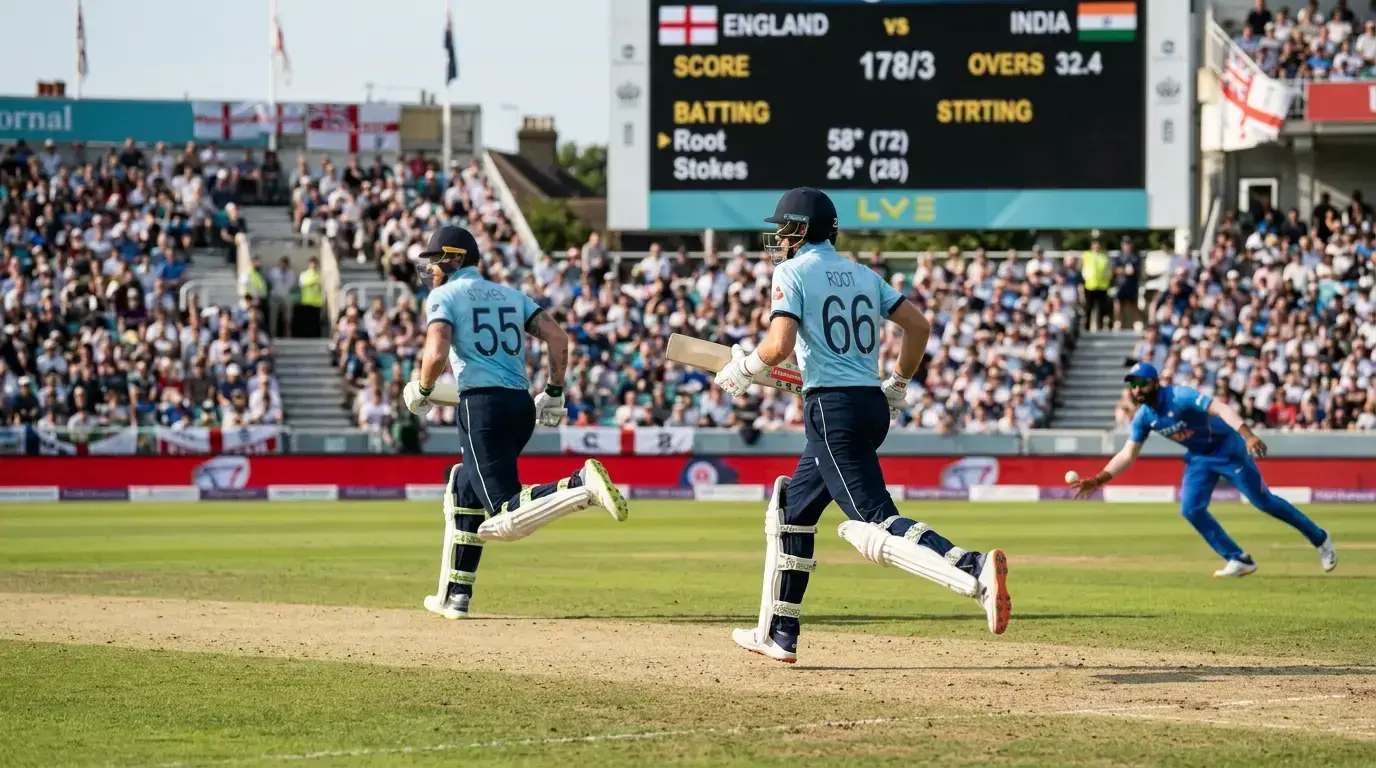
T20 top batsman is the most volatile version of the market. The innings is so short that a single dropped catch or a favourable umpiring decision can swing the outcome. I increase my required edge threshold in T20 top batsman bets to compensate for this variance — demanding a 15% discrepancy between my model probability and the bookmaker’s implied probability, compared to 10% in ODIs and 8% in Tests.
