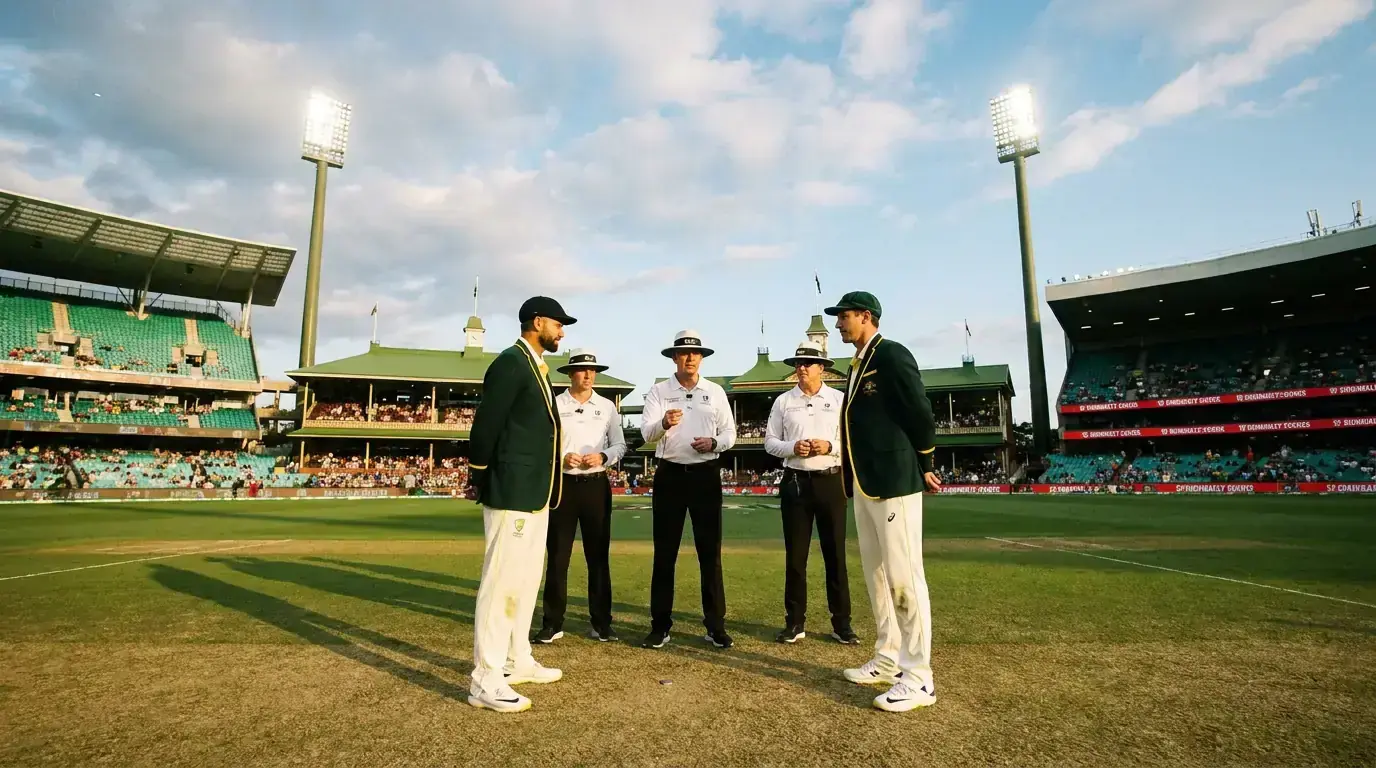

I have a spreadsheet that tracks 1,200 international cricket matches across all three formats, and every time someone tells me the toss is “everything” in cricket, I pull it up. The data tells a more nuanced story than the pub wisdom suggests. Yes, the toss matters — but it matters variably, conditionally, and far less universally than the market prices. In T20 internationals, the toss winner goes on to win the match roughly 51-53% of the time. That is barely above coin-flip territory. Yet I regularly see betting forums treat the toss as a decisive event, and bookmakers adjust match-winner prices by 5-8% immediately after the toss in conditions where the actual statistical impact justifies barely half that shift.
Toss Win Rates by Format: What the Numbers Say
The impact of the toss scales with match duration and format rules. In T20 cricket, favourites win 60-65% of matches regardless of the toss because the format is short enough that skill dominance overrides the conditions advantage. The toss winner’s edge — choosing to bat or bowl — adds a marginal 1-3 percentage points to the win probability at most venues. The exceptions are dew-affected day-night games, which I will address separately, but as a baseline, the toss in T20 cricket is the most overrated variable in the format.
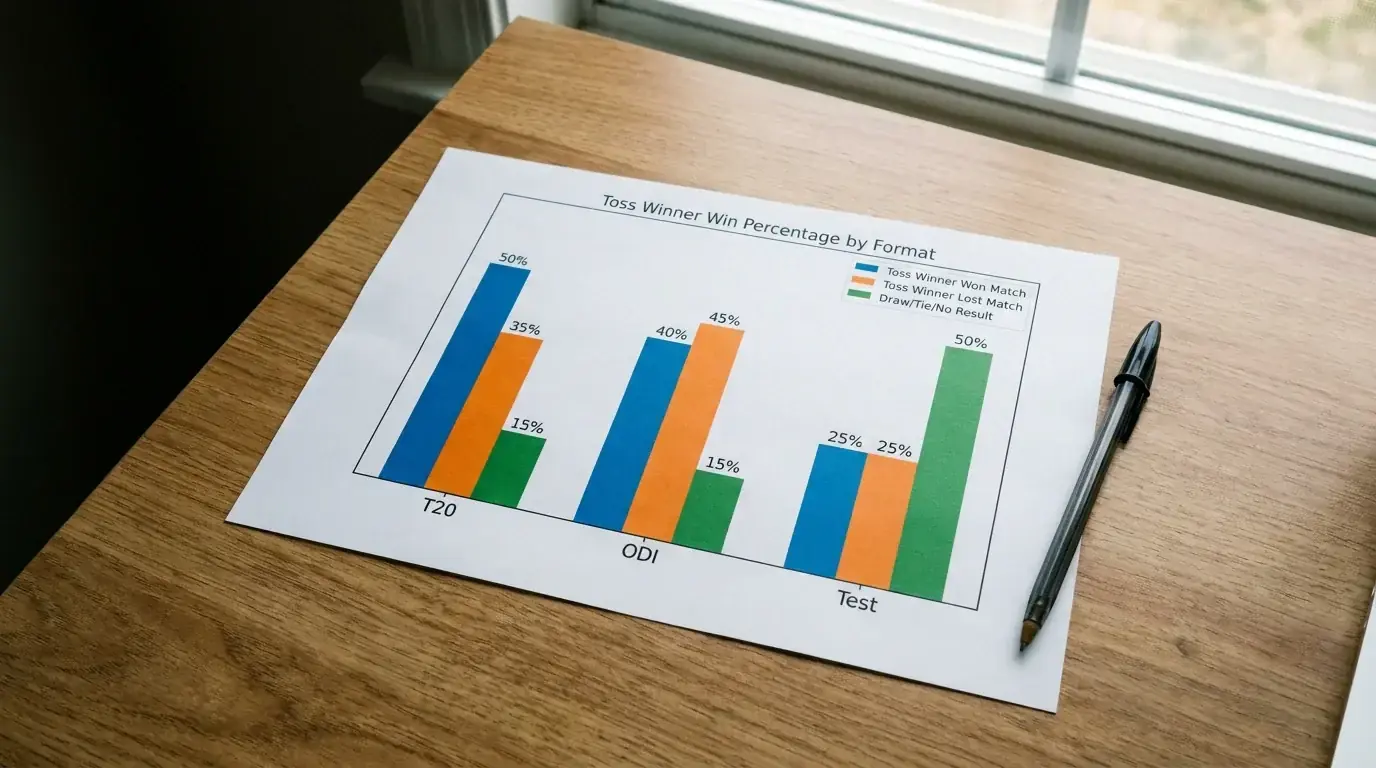
ODIs show a slightly stronger toss effect, particularly in the subcontinent where batting first on a fresh pitch and defending a total on a deteriorating surface has historically been the dominant strategy. In ODIs played in India, Sri Lanka, and Bangladesh, the toss winner who elects to bat first has won approximately 55-58% of matches over the last decade. That is meaningful, but still leaves 42-45% of matches going the other way — hardly the guarantee that media commentary implies.
Test cricket is where the toss carries its greatest weight, particularly at venues with known deterioration patterns. Winning the toss at Galle, Nagpur, or Ahmedabad — where pitches spin aggressively from day three onward — and choosing to bat first gives a structural advantage that can push the toss winner’s win probability above 60% at certain grounds. I track venue-specific toss-impact data and apply it as a modifier to my pre-match models. At venues where the toss historically has less than 2% impact on the outcome (Lord’s, the MCG), I ignore it entirely. At venues where it exceeds 8%, I make it a primary factor.

Evening Match Chasing Advantage
Day-night cricket introduced a variable that genuinely changed the toss calculus: the decision to bat or bowl under lights. In limited-overs cricket played under floodlights, teams batting second have historically enjoyed a slight advantage because the ball gets harder to grip for bowlers as the evening progresses. In the subcontinent and parts of the Middle East, dew compounds this effect — moisture settles on the outfield and the ball, making it slippery and reducing bowlers’ ability to generate spin or seam.
The dew question dominated IPL toss strategy for years, with captains almost universally choosing to bowl first in evening matches. The data backed them up — chase win rates at dew-affected venues sat around 60%, a significant edge. But the landscape shifted in 2025 when the IPL introduced the dry ball replacement rule after the 10th over of the second innings, and that edge dropped to roughly 51-52% on dew-heavy grounds. For a detailed breakdown of dew’s mathematical impact, I have covered the numbers in the pitch conditions analysis.
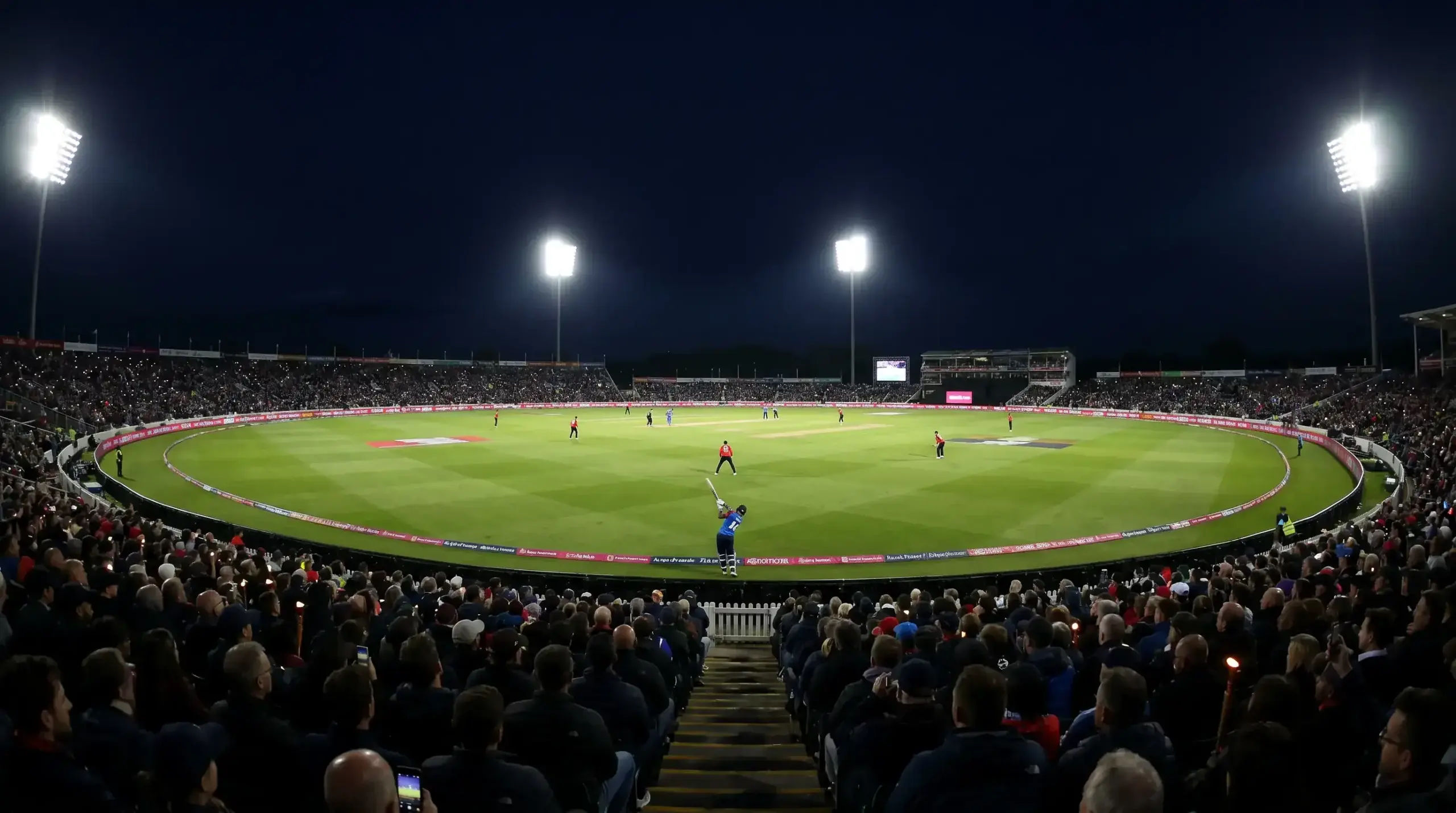
For UK bettors, the practical lesson is that the toss-to-chase advantage is not a universal constant — it is a conditional variable that depends on the specific venue, competition, and rule set. Applying a blanket “bowling first is better in evening games” heuristic to a county T20 Blast match at Hove, where dew is minimal and the pitch flattens under lights, will lead to mispriced assessments. I evaluate the evening chasing advantage on a venue-by-venue basis and only apply a toss adjustment where the data supports it over a sample of at least 15-20 matches at that ground.
When the Toss Matters Least
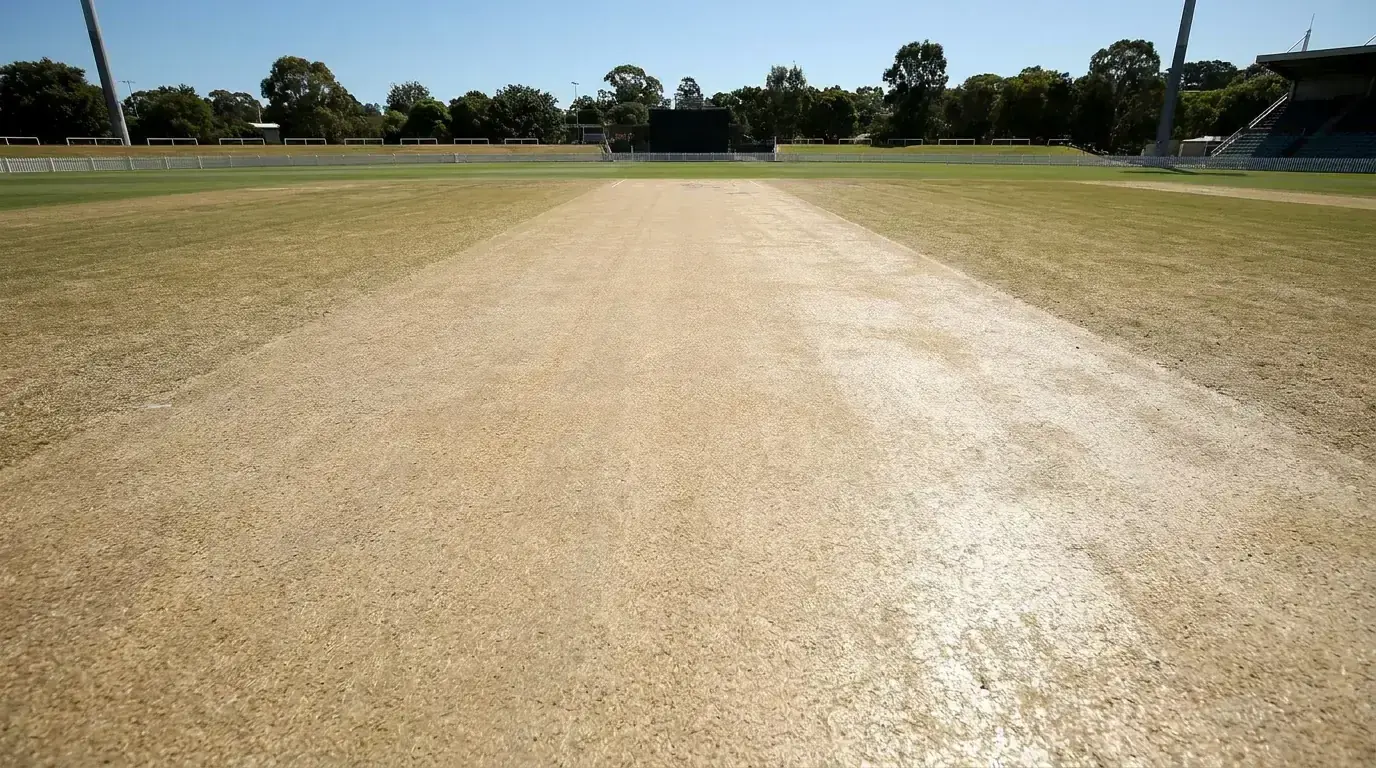
There are situations where the toss is genuinely irrelevant, and recognising them saves you from overadjusting your model. Flat batting pitches that do not deteriorate — think the Rajiv Gandhi International Stadium in Hyderabad or Trent Bridge on a sunny day — produce conditions that are equally favourable for batting first and batting second. At these venues, the toss winner’s choice has negligible impact on the match outcome because the surface does not change enough to create an asymmetry between the two innings.
Matches between teams with a large quality gap are another case. If India are playing Zimbabwe in a T20I, it does not matter who wins the toss — the skill differential overwhelms any conditions advantage. I apply a “quality differential filter” to my toss analysis: when the pre-toss match-winner price gap between the two sides exceeds 1.50 (e.g., one team at 1.40 and the other at 3.20), I discard the toss as a modelling variable entirely.
Rain-affected matches also neutralise toss advantage. If rain is forecast to interrupt the match and trigger DLS recalculations, the toss winner’s initial choice becomes less consequential because the match format changes. Teams that chose to bat first expecting a full match may find themselves defending a DLS-adjusted target on a surface that has been freshened by rain, which inverts the conditions advantage they were trying to exploit.
Incorporating Toss Data Into Your Betting Model
My approach to the toss is to treat it as a conditional modifier rather than a primary input. I build my pre-match model without toss information, establishing a baseline probability for each team based on squad quality, form, conditions, and venue history. Then, once the toss result is known, I apply a venue-specific toss modifier — typically ranging from +0% to +8% for the team that benefits from the toss outcome. The modifier is drawn from my venue database, which records the historical win rate of teams that won the toss and chose the “advantaged” option at each ground.
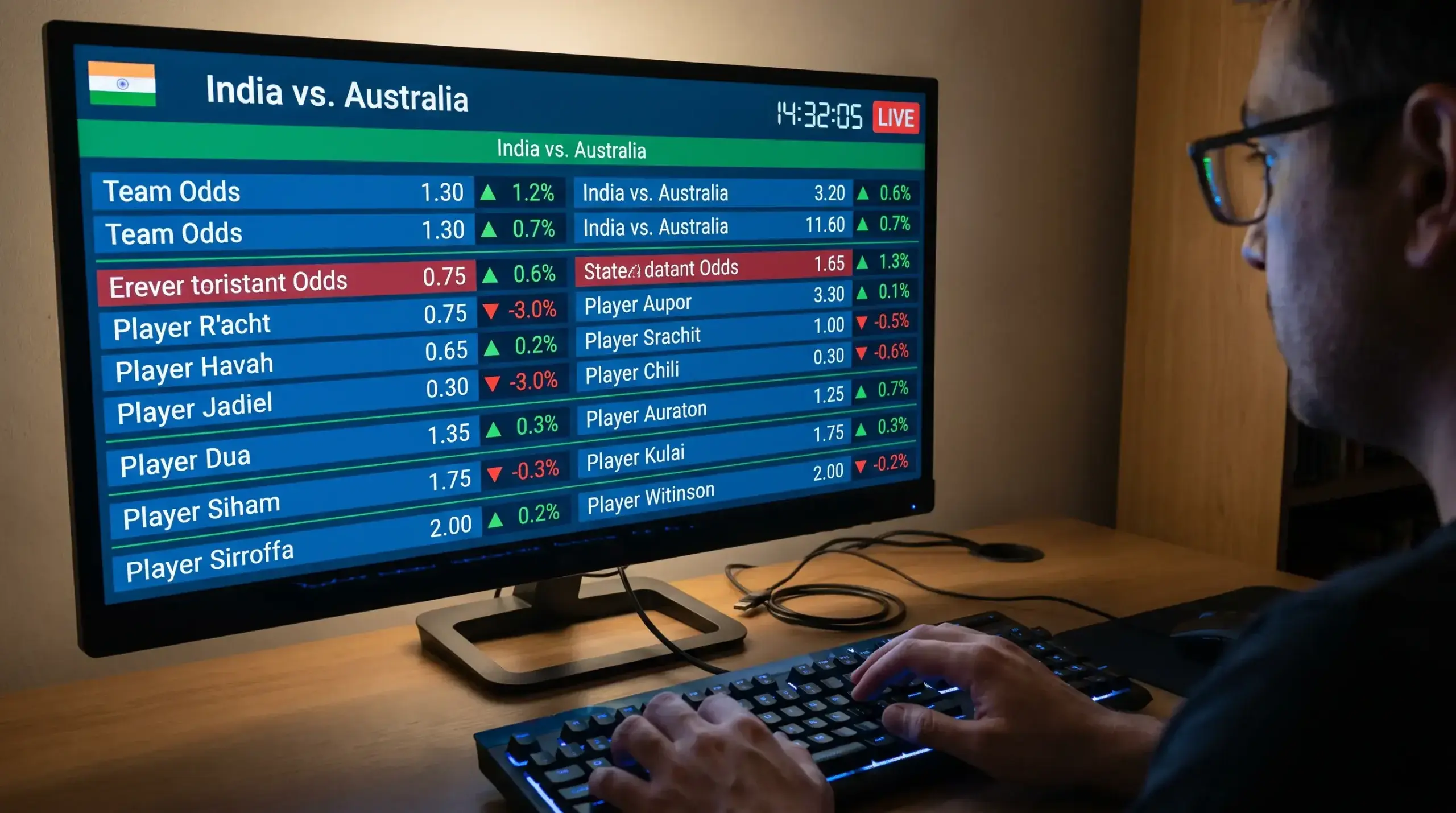
The critical discipline is not to overreact when the toss goes against your pre-match lean. If I have Team A at 55% pre-toss and Team B wins the toss at a venue where the toss modifier is 3%, Team A’s adjusted probability drops to 52%. That is a small shift, and it rarely changes whether the bet has value. The market, however, often moves by 8-12% in response to the toss, which means the post-toss price frequently overcompensates. Some of my best value bets in cricket have been placed in the 10-minute window after the toss, when the market overreacts and the price on the toss-losing team drifts beyond fair value.
One practical constraint: the post-toss window is narrow and the odds move fast. If you are going to trade the toss overreaction, you need your pre-match analysis complete and your model ready to apply the modifier instantly. Doing the analysis after the toss is too slow — the prices settle within five to ten minutes on major platforms.