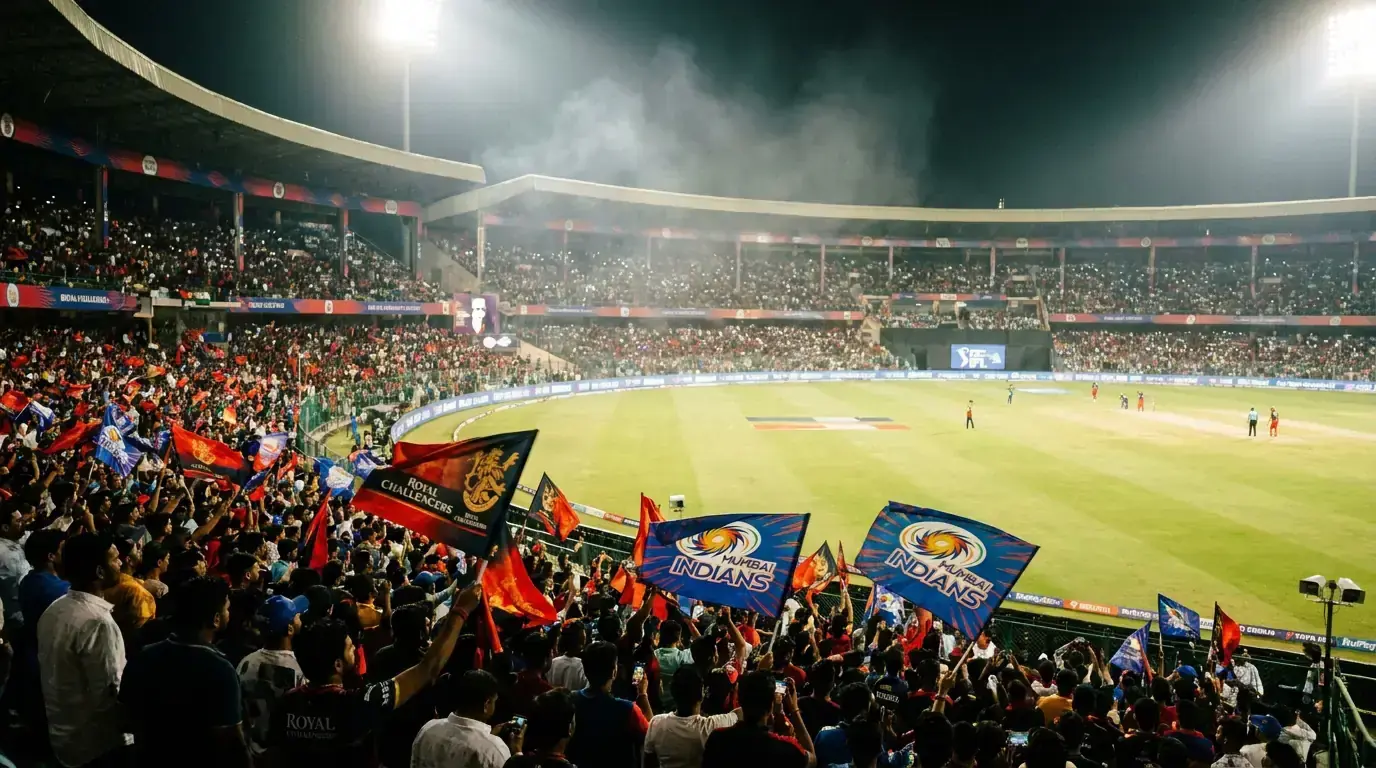

I still remember my first IPL season from a betting perspective — sitting in a London flat at half ten on a Tuesday night, watching Mumbai Indians chase 180 on a raging Wankhede pitch while my pre-match model melted in real time. That was 2015, and the league has only grown more chaotic, more lucrative, and more fascinating since. The IPL draws over 600 million viewers per season and the betting market around it has ballooned to an estimated $100 billion globally, making it the single largest cricket betting event on the planet. For UK-based bettors, it represents a unique challenge: the games happen late, the squads change every year through mega-auctions, and conditions in India bear little resemblance to anything you see in English cricket. But those same factors create pricing inefficiencies that a prepared punter can exploit.
The Scale of IPL Betting Markets
Three years ago, a colleague asked me why I spent so much time modelling IPL matches when the County Championship was running simultaneously. My answer was simple: market depth. The IPL final alone draws over 300 million viewers, making it the most-watched single sporting event on Earth. That audience generates enormous betting volume, and where volume flows, bookmaker competition follows. UK-licensed operators now offer 40 to 60 individual markets per IPL match — everything from match winner and top batsman to runs in specific over brackets and method of first dismissal.
What makes the IPL different from, say, the Big Bash or the Caribbean Premier League is the sheer liquidity. Odds move faster, steam moves are more pronounced, and the window for grabbing value narrows quickly once team sheets drop. I track opening lines from three major UK bookmakers for every IPL fixture, and the average price movement between the toss and the first ball is around 8-12% on match winner markets. That volatility is your opportunity if you are positioned early with the right analysis.
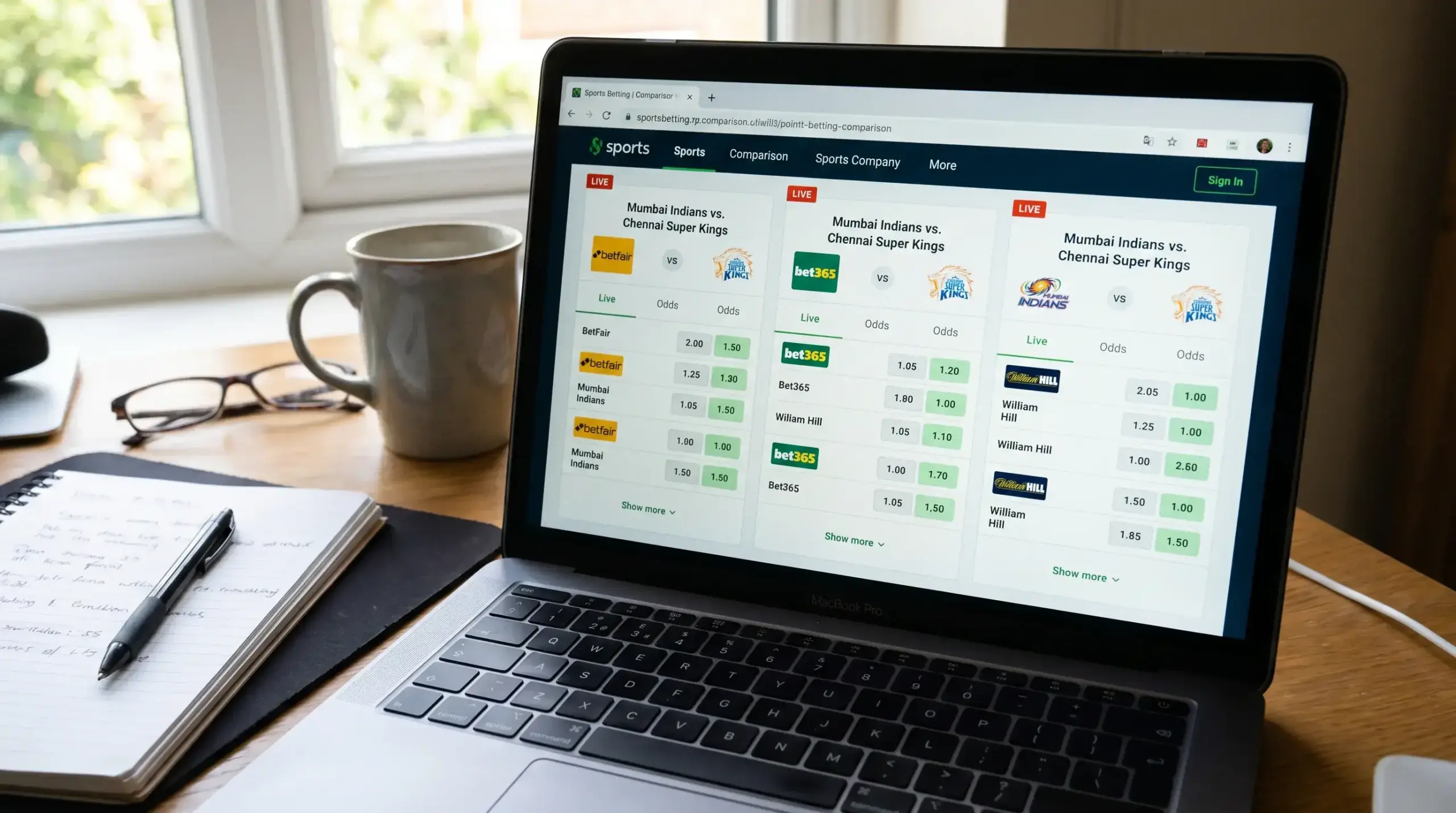
The global cricket betting market itself is projected to reach $151.2 billion by 2032, and the IPL captures the lion’s share of that growth trajectory. For a UK bettor, this means two things: the markets are sharp enough that casual punters fund the prize pool, but deep enough that a disciplined approach can still find edges before prices settle.
Franchise Form Factors That Actually Matter
Every preview site will tell you to “check the team form.” I want to be more specific than that, because IPL form is unlike any other cricket competition. Squads turn over by 40-60% between seasons thanks to the mega-auction cycle. A franchise that dominated last year might be running an entirely new middle order with zero chemistry. The first thing I do when the auction concludes is map each squad’s retained core against new signings and ask a simple question: does this batting lineup have a settled top four?

Batting continuity in the top four correlates more strongly with season-long performance than overall squad spending. Chennai Super Kings demonstrated this for years — retaining a core of three or four experienced players and building around them, regardless of auction budget. When I assess franchise form, I weight the following factors in this order: retained player quality, coaching staff continuity, home venue familiarity, and net run rate from the previous two seasons. Squad price tag ranks last.
One pattern I have tracked since 2019 is the “new captain effect.” Franchises that change captain between seasons tend to underperform their pre-season odds by roughly 15-20% in the first half of the tournament. The market prices name recognition — if a star is appointed captain, his franchise shortens immediately. But captaincy in the IPL demands tactical flexibility under time pressure, and it takes four or five matches for a new skipper to find rhythm. I look for franchises on their second or third season under the same captain, where tactical identity has solidified but the market has moved on to shinier narratives.
IPL-Specific Conditions and the Dew Question
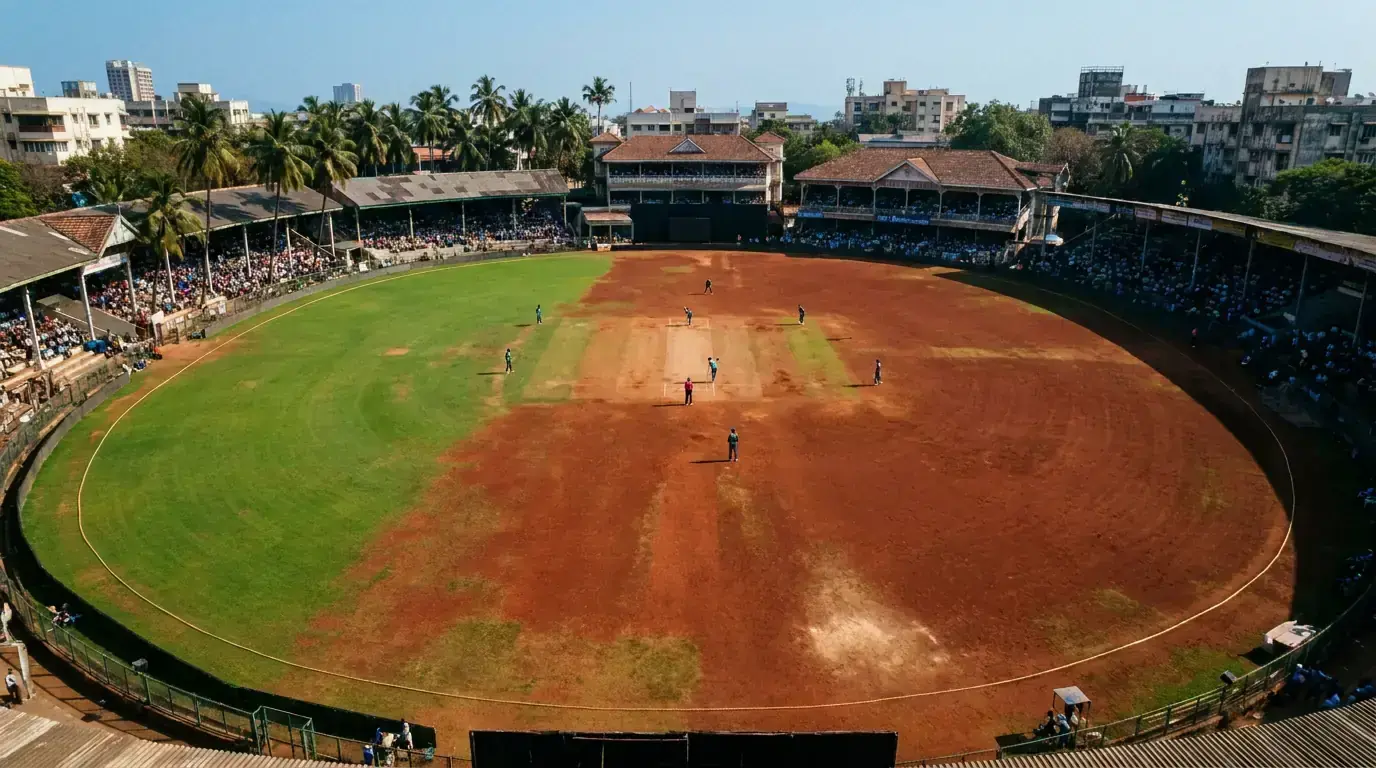
If you have followed T20 betting strategy for any length of time, you know that conditions drive outcomes. But IPL conditions are a category of their own. The tournament rotates across eight to ten Indian venues, each with distinct pitch profiles: Chepauk in Chennai spins from day one, the Wankhede in Mumbai offers pace and bounce, Chinnaswamy in Bangalore is a batting paradise with short boundaries, and Eden Gardens in Kolkata has become increasingly spin-friendly over recent seasons.
Then there is the dew factor — the single most discussed variable in IPL betting circles. Evening matches across India produce significant dew from roughly the 15th over of the second innings onward, making the ball slippery, grip difficult for bowlers, and batting considerably easier under lights. Historically, teams chasing in dew-affected matches won around 60% of the time, which led bookmakers to price the toss as a near-decisive event.
That changed in 2025. The IPL introduced the dry ball replacement rule after the 10th over of the second innings, and the impact was immediate: the chase win rate on dew-heavy grounds dropped from roughly 60% to 51-52%. I adjusted my models that season and the edge shifted. Dew still matters, but it is no longer the automatic advantage it once was. The market, however, has been slow to fully price this rule change in, particularly in early-season fixtures before the data accumulates. That lag is where I have found consistent value over the past two seasons.
Venue-specific scoring averages are worth tracking week by week rather than relying on historical aggregates. The IPL groundsmen prepare pitches to suit the home franchise’s strengths, and those preparations can shift mid-tournament based on results. I maintain a rolling five-match average for first-innings par scores at each venue, updated after every game, and compare it to the bookmaker’s over/under line. When my rolling average diverges from the line by more than 12 runs, I take a position.
Timing and Access for UK-Based Bettors
The practical reality of betting on the IPL from the UK is that you are working against the clock — literally. Most IPL matches start at 15:30 IST, which translates to 11:00 BST during British Summer Time. That is manageable for a lunchtime punt, but the afternoon fixtures occasionally shift to 19:30 IST (15:00 BST), and doubleheader days mean one match starting at midday and another in the evening UK time. I keep the IPL schedule synced to my calendar with BST conversions for every fixture at the start of each season. Missing a toss because you miscalculated the timezone is a rookie error that costs real money.
Access to Indian cricket data is better than ever for UK bettors. ESPNcricinfo, CricViz, and CricMetric all provide ball-by-ball data, player matchup statistics, and venue breakdowns that would have been impossible to compile manually a decade ago. The gap between what a professional trading desk knows and what a dedicated individual bettor can access has narrowed dramatically. Where the gap persists is in speed — the professional desks have automated feeds, while you and I are refreshing a browser. For pre-match betting this is irrelevant. For in-play, it means you need to pick your spots carefully and avoid chasing prices that have already moved.

One final practical note: not every UK bookmaker offers the same depth of IPL markets. Some operators list only match winner and top batsman, while others provide 50+ markets per match including over-by-over runs, powerplay totals, and player performance indices. Before the season starts, I audit three or four accounts to confirm which platforms have the deepest IPL coverage and the tightest margins on the markets I trade most frequently.
Building Your IPL Edge Over a Full Season
The IPL is a 74-match tournament compressed into roughly eight weeks. That density is both a blessing and a trap. The blessing is volume — you get enough data points to refine your models mid-season and adjust to emerging patterns. The trap is fatigue. I have seen sharp bettors blow profitable seasons by overtrading in weeks five and six when the group stage reaches its chaotic peak. My rule is simple: I cap myself at one or two bets per match day, and I only bet when my pre-match analysis surfaces a clear discrepancy between my probability estimate and the bookmaker’s price. Some days that means sitting out entirely. The IPL will be there tomorrow.