


I spent the 2019 World Cup betting exclusively on match odds and finished the tournament flat. The following year, I shifted 60% of my cricket volume to session markets and ended the IPL season with a 7.2% yield. The difference was not my analytical ability — it was the market. Match odds and session betting operate on fundamentally different mechanics, attract different types of money, and reward different skills. Understanding when to use which, and how to combine them, is one of the most consequential decisions a cricket bettor can make.
Match Odds: Mechanics and Pricing
Match odds are the most straightforward cricket betting market: you pick which team will win the match, and if they do, you collect. In Tests, a third option — the draw — is available. The prices reflect each team’s estimated probability of winning, adjusted by the bookmaker’s margin. If Team A is priced at 1.75 and Team B at 2.30 in a T20, the bookmaker estimates Team A wins roughly 55-57% of the time (accounting for margin) and Team B wins 43-45%.
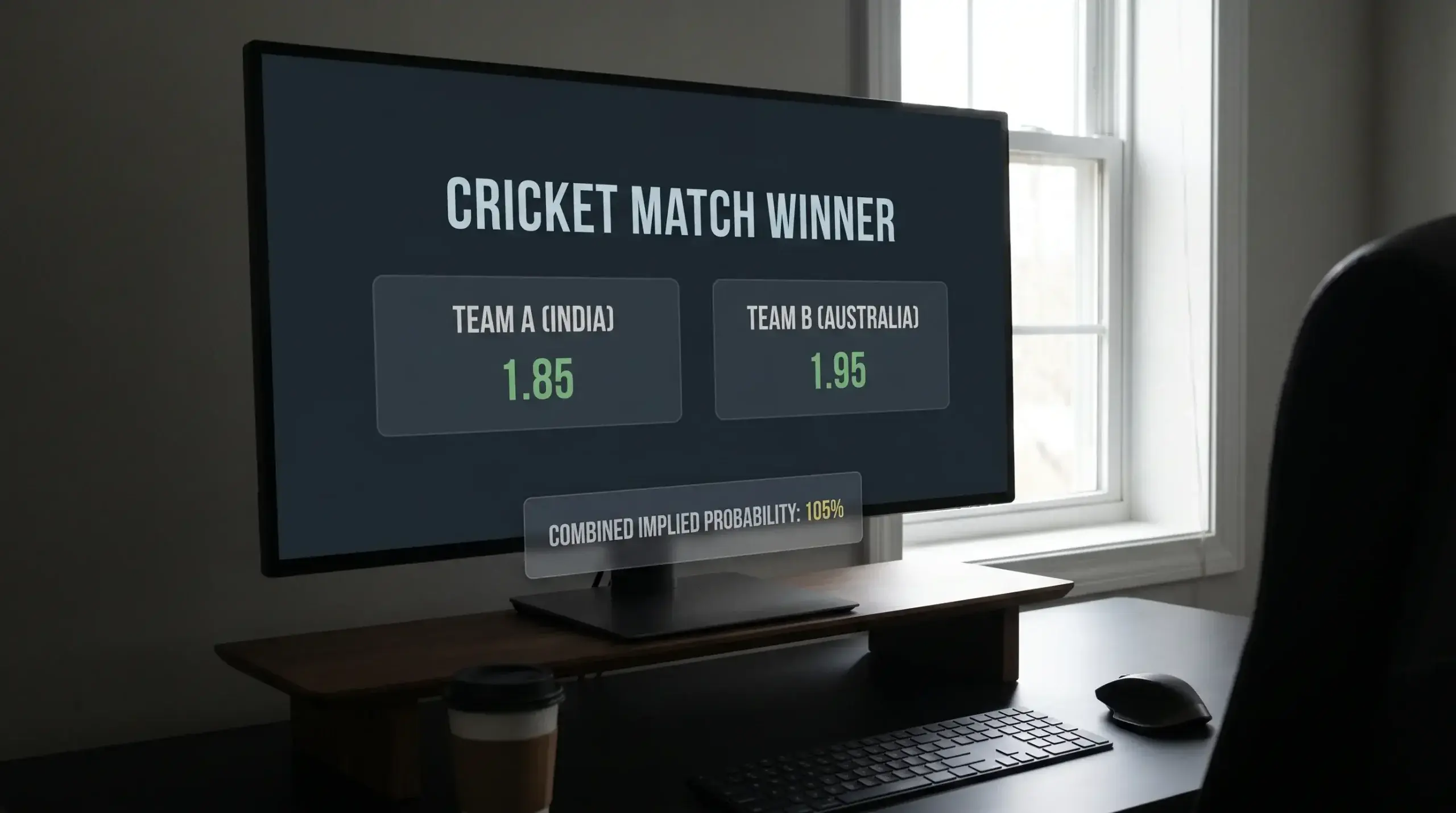
The strength of match odds is simplicity. The weakness is exposure to full-match variance. In T20 cricket, where favourites win only 60-65% of matches, even a well-analysed match-winner bet faces a one-in-three chance of losing. A single dropped catch, a rain delay, or a DLS recalculation can overturn what looked like a comfortable position. Match odds bets are all-or-nothing: you are right or wrong over the full duration of the match, with no opportunity to bank partial profits along the way.
The match odds market is also the most liquid and the most efficiently priced. Because it attracts the highest volume of bets, the bookmaker’s algorithm has the most data to calibrate against, and the margin is typically the tightest of any cricket market. This efficiency is a double-edged sword: it means the odds are usually close to fair value, which compresses the available edge. Finding consistent value in match odds requires either superior modelling or superior timing — getting your bet on before the market moves to the true price.
Session Betting: A Different Game Entirely
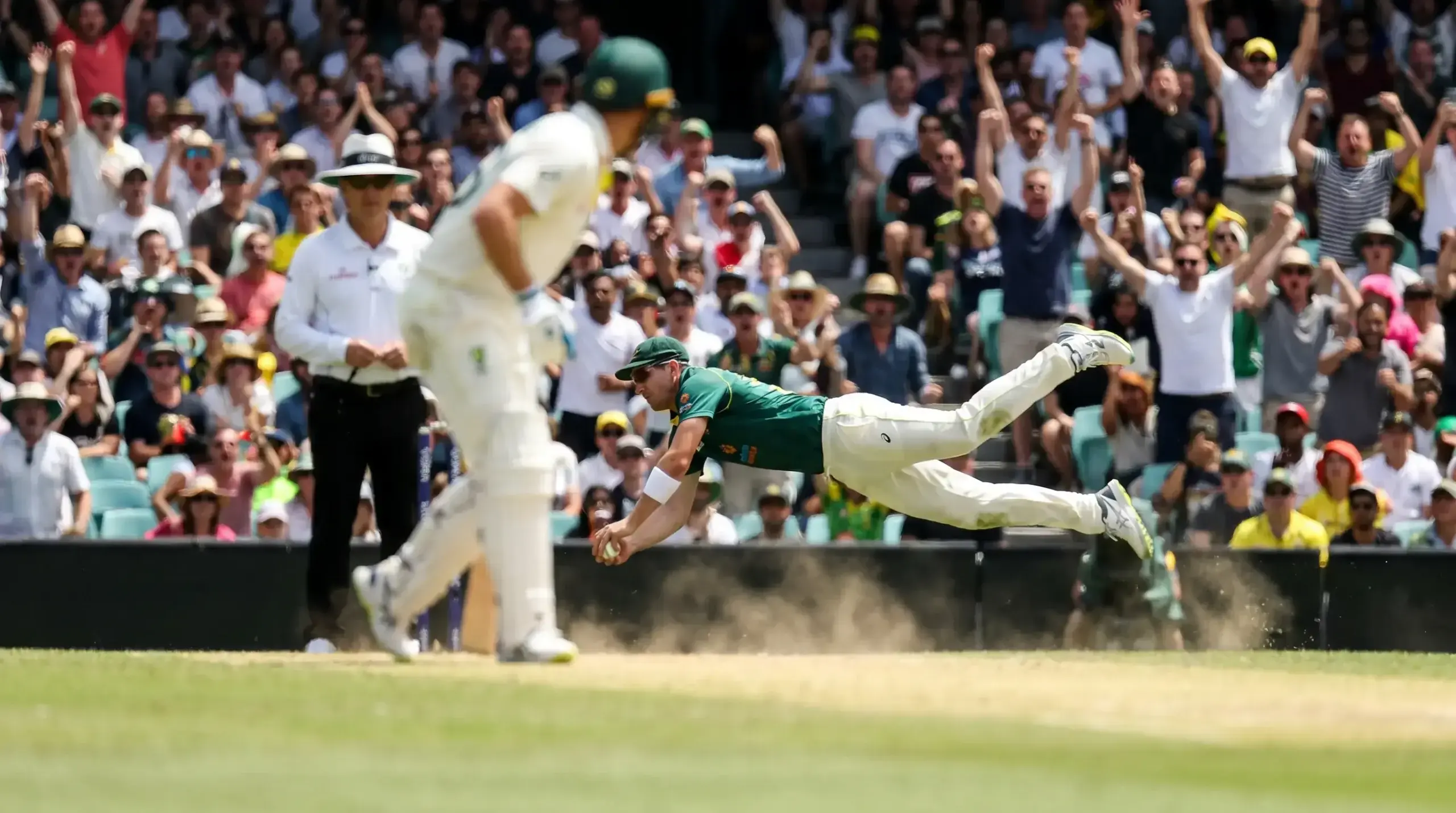
Session betting — wagering on the total runs scored in a specific session or over bracket — is where cricket betting gets tactical. Instead of predicting the match winner, you are predicting the scoring rate during a defined window: a morning session in a Test, a powerplay phase in a T20, or the total runs in overs 7-15 of an ODI. The variables are narrower, the timeframe is shorter, and the outcome depends on micro-conditions rather than the full sweep of a match.

Live betting accounts for 55-60% of all cricket bets placed in the UK, and session markets are where much of that volume concentrates. The appeal is immediacy: a session bet typically resolves within 90 minutes to two hours, giving you faster feedback and more opportunities per match day. I can place three or four session bets during a single day of Test cricket, each based on updated information about the pitch, the bowling rotation, and the batting lineup.
Session markets are less liquid than match odds, which means the bookmaker’s margin is wider but the pricing is also less efficient. I find more frequent value in session markets because the algorithm has fewer data points to calibrate against — particularly in the first session of day one, before the match has generated any in-match data for the model to process. My session bets carry a slightly higher average yield than my match-winner bets, though the variance is higher too because the shorter timeframe means individual results are more subject to randomness.

When to Choose Which Market
The decision between match odds and session betting should be driven by two factors: the strength of your informational edge and the specific conditions of the match. Match odds are the better market when you have a strong view on the overall match outcome — a clear quality differential between the teams, a conditions advantage that persists through the full match, or a specific tactical matchup that will dominate proceedings. These situations favour the broader, lower-variance approach of match odds.
Session betting is the better market when your edge is condition-specific rather than match-level. If you know that the morning session of a Test will produce low scoring because the pitch is damp and the bowling attack is seam-heavy, but you are unsure which team will ultimately win because the pitch will flatten later, a session runs bet isolates the part of the match where your analysis is strongest. This market is also superior when you are following a match in-play and the conditions have shifted in a way the bookmaker’s algorithm has not yet fully processed.

In T20 cricket specifically, I lean toward session betting (powerplay totals, in-play over brackets) when the match is played between two evenly-matched sides where my match-winner probability for each team sits between 45% and 55%. In that range, the match-winner market is essentially a coin flip and the margin eats any edge. Session markets in the same match often carry exploitable pricing because the bookmaker sets the line based on venue averages without fully adjusting for the specific bowling matchups and conditions in play.
Combining Both for a Stronger Portfolio
I do not treat match odds and session betting as competitors — I use them as complementary tools within a single match. A typical approach for a Test match might look like this: I place a pre-match bet on the draw at a price I consider value, then supplement it with two or three session bets during the match based on evolving conditions. The draw bet is my strategic position; the session bets are tactical trades around specific phases of play. If the draw lands, the match-winner return is my primary profit. If it does not, the session bets may still deliver a positive return that offsets the match-winner loss.
This combined approach smooths variance. Over a season, my match odds bets have a lower hit rate but higher average return per winner, while my session bets have a higher hit rate but smaller individual returns. The portfolio effect — combining both streams — produces a more stable yield curve than either approach would deliver in isolation. I allocate roughly 40% of my cricket betting volume to match odds and 60% to session and phase-specific markets, though this ratio shifts depending on the format (more session in Tests, more match odds in T20s).
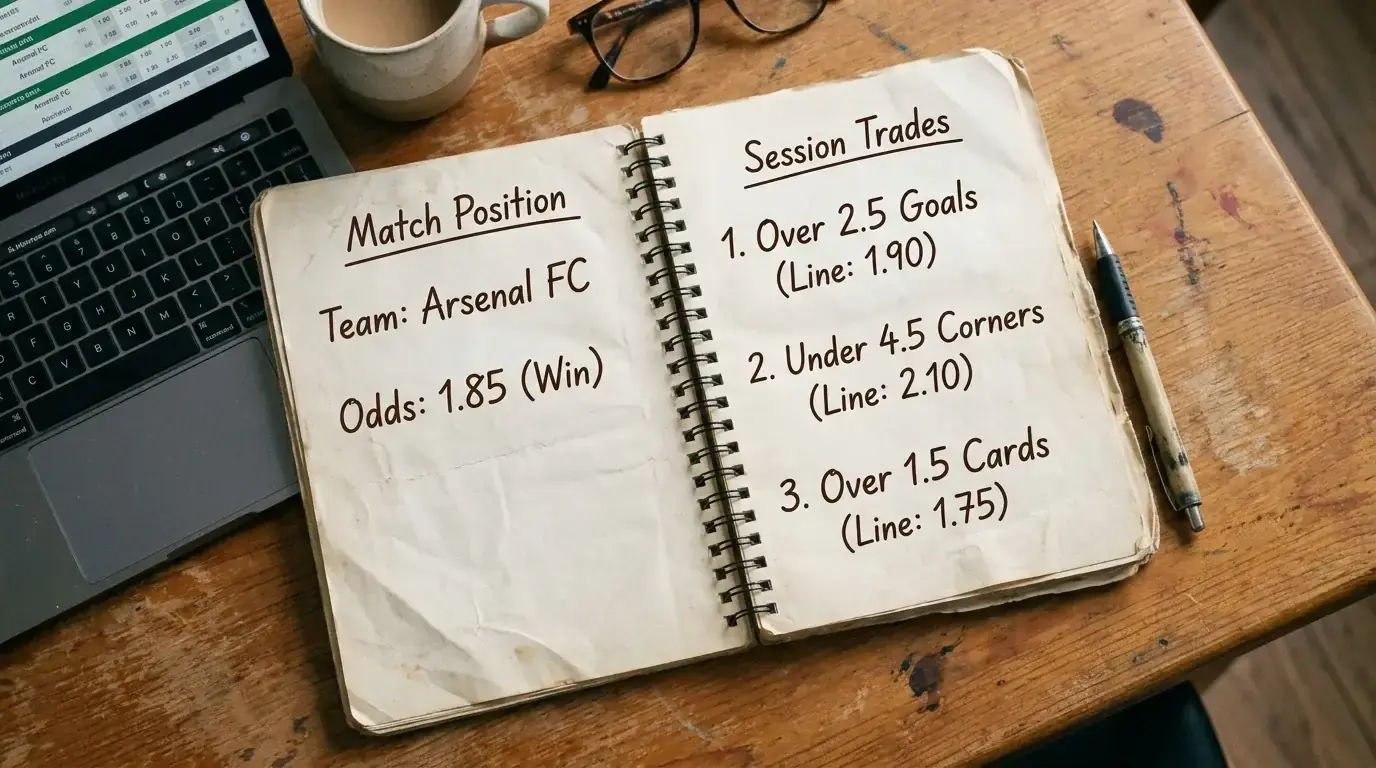
The one rule I enforce strictly: never let a session bet influence your match-winner position. If your session bet loses and you increase your match-winner stake to “recover” the loss, you have abandoned your model and entered emotional territory. Each bet stands on its own analysis. The combined approach works because the selections are analytically independent, even though they occur within the same match.
