


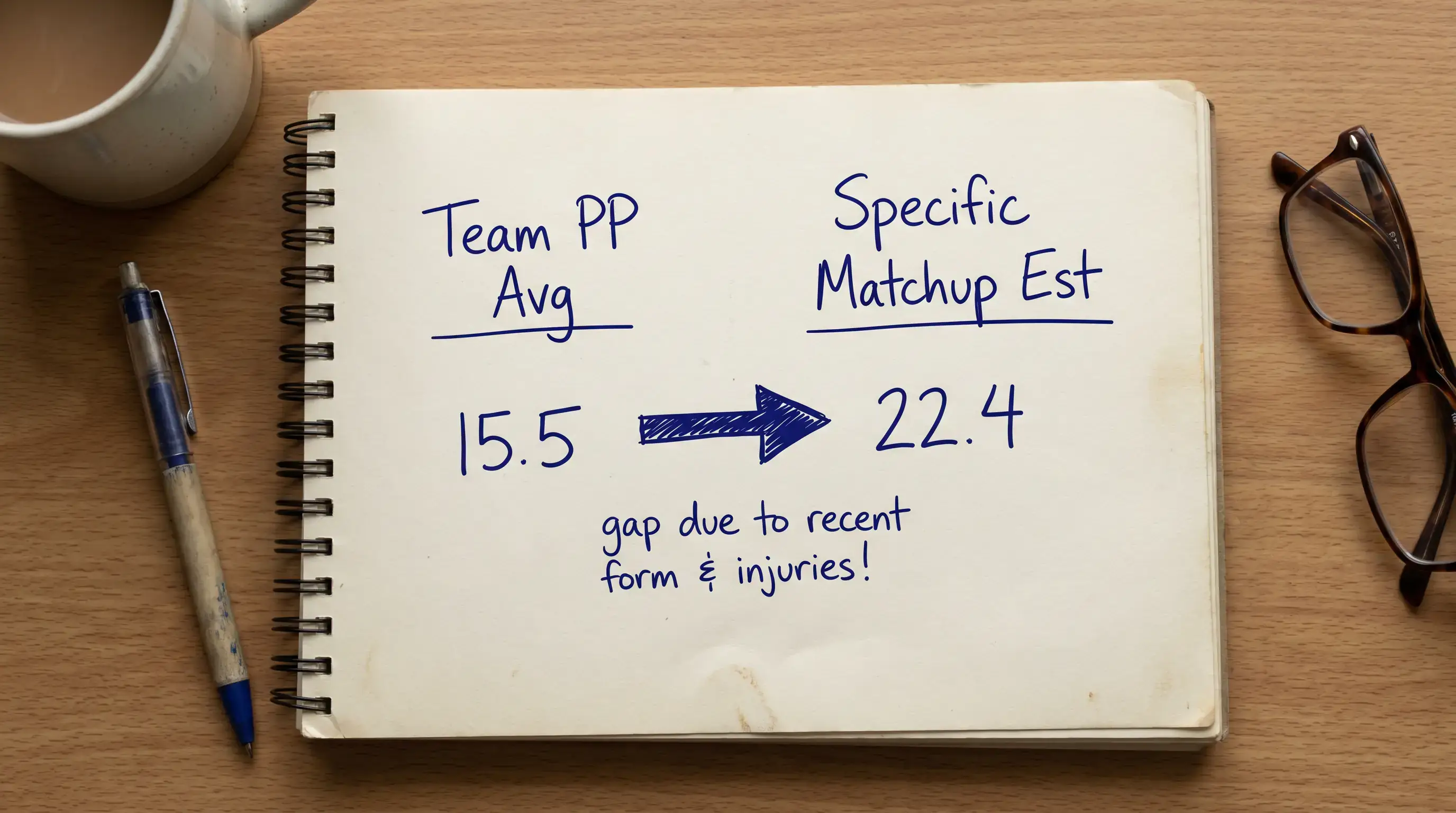
I remember an IPL match in 2022 where the powerplay market priced the over/under at 48.5 runs. The opening pair was Rohit Sharma and Ishan Kishan at the Wankhede — short boundaries, flat pitch, two aggressive left-right combinations against an average new-ball attack. I took the over. They put on 67 in the first six overs. That bet was not a gamble. It was a conditions-plus-personnel read that the market had underpriced because it was anchoring to the IPL-wide powerplay average rather than the specific matchup. Powerplay betting is where granular analysis pays the highest dividend in cricket markets.
Why the Powerplay Phase Creates Betting Value
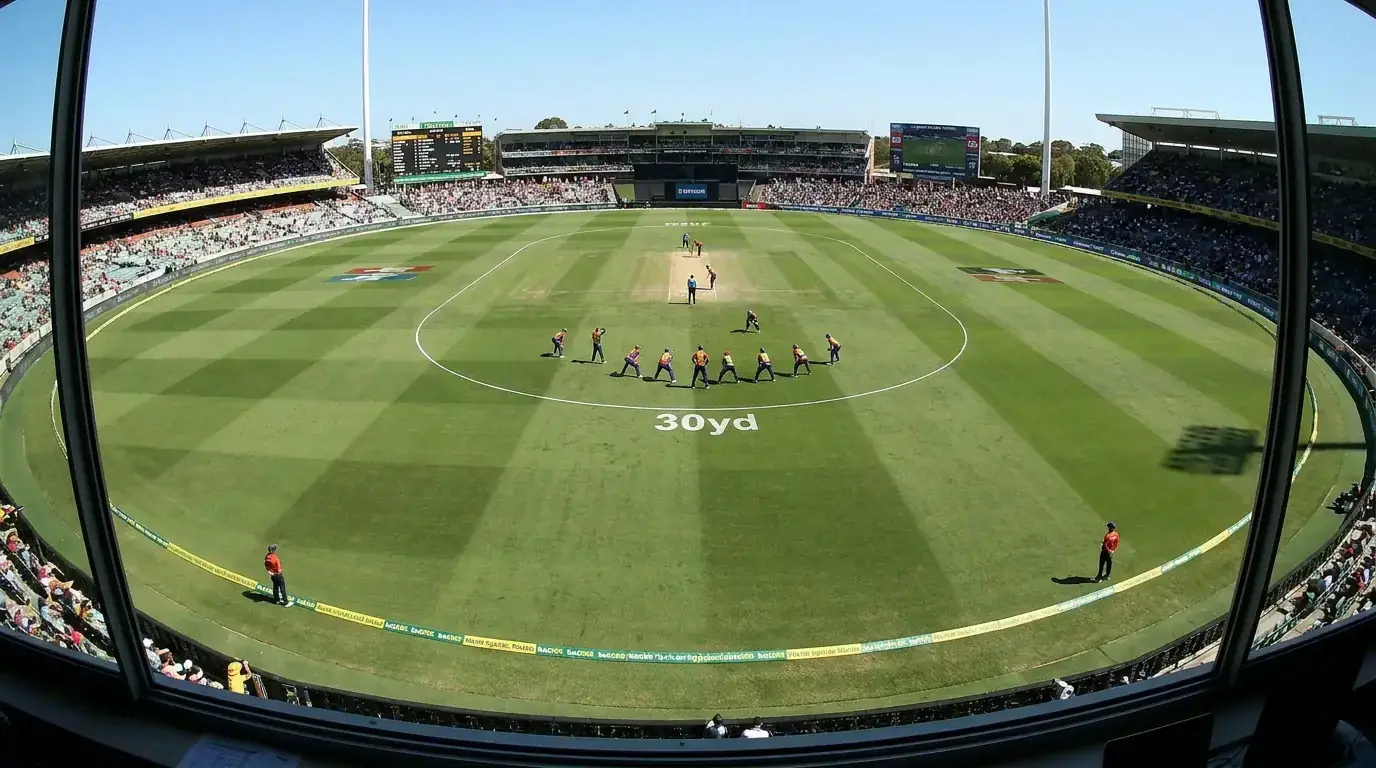
The powerplay in T20 cricket — the first six overs where only two fielders are allowed outside the 30-yard circle — is a structurally distinct phase of the game. Batsmen attack because the field is up. Bowlers attack because wickets in the powerplay create pressure that compounds through the middle overs. The result is a six-over window where scoring rates are high, variance is elevated, and outcomes are heavily influenced by the specific matchup between the opening batsmen and the new-ball bowlers.
Bookmakers price powerplay markets using team-level averages — how many runs a franchise typically scores in the first six overs. But team-level averages obscure the most important variable: who is actually opening the batting and who is bowling with the new ball. A team’s powerplay average might be 45, but that includes matches where the regular openers were rested, where a pinch-hitter was promoted, and where the conditions were bowling-friendly. The specific combination of openers and bowlers on any given match day can push the expected powerplay total 10-15 runs above or below the team average.
Cricket’s status as the fastest-growing segment in the global sports betting market, driven by T20 and The Hundred, has deepened the powerplay markets but has not made them sharper. The new money is recreational, pattern-following, and biased toward team reputation over matchup analysis. That creates persistent mispricing for anyone willing to do the work of tracking opener-versus-bowler data at the individual level.
Building a Powerplay Model From Opener and Bowler Data
My powerplay model starts with four data points for each match. First, the opening batsmen’s combined powerplay strike rate over their last ten innings in the same format. Second, the new-ball bowlers’ combined powerplay economy rate over the same period. Third, the venue’s average powerplay score from the most recent season, not the all-time average. Fourth, the weather and pitch conditions, specifically whether the surface offers early movement (cloud cover, green tinge, residual moisture) or favours batting (dry, hard, clear skies).

I weight the opener-versus-bowler matchup most heavily because it is the variable the market underprices. A left-arm seamer bowling to a right-handed opener who averages 42 in the powerplay against left-arm pace is a different proposition from the same bowler to a right-hander who averages 28. I track these specific matchups using ball-by-ball data from CricViz and CricMetric, building a matrix of opener strike rates against each bowling type (right-arm fast, left-arm fast, right-arm spin, left-arm spin). The matrix is laborious to construct but produces powerplay projections that diverge meaningfully from the bookmaker’s team-level average.
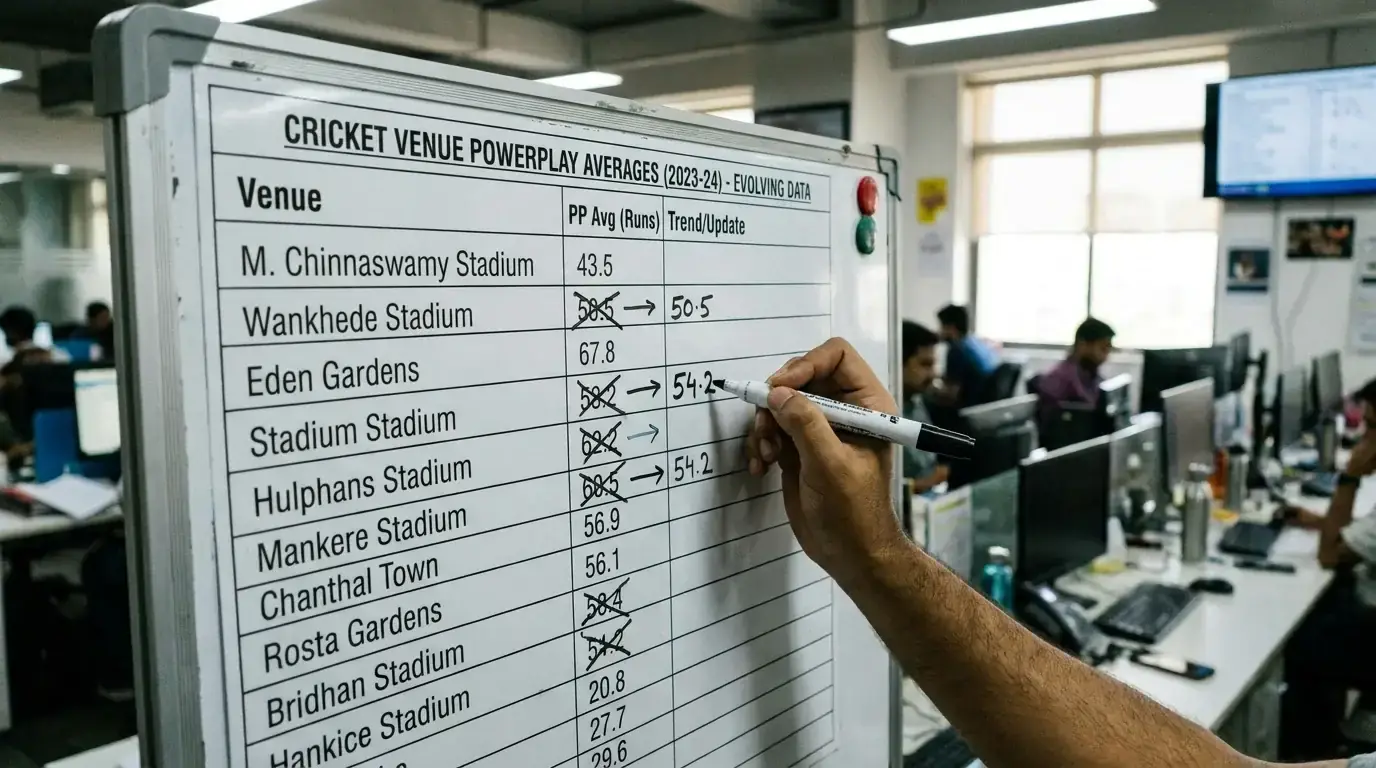
Venue adjustment is the second layer. The Chinnaswamy in Bangalore produces T20 powerplay scores that average 8-10 runs higher than the Chepauk in Chennai, because the boundaries are shorter and the pitch offers less assistance to bowlers. But within a single venue, the powerplay average can shift by 5-7 runs between the first and second halves of a tournament as the pitch wears. I update my venue adjustment after every match at each ground during a tournament, which keeps my model responsive to conditions that the bookmaker’s algorithm smooths over.
Powerplay Markets Beyond the Total Runs Line
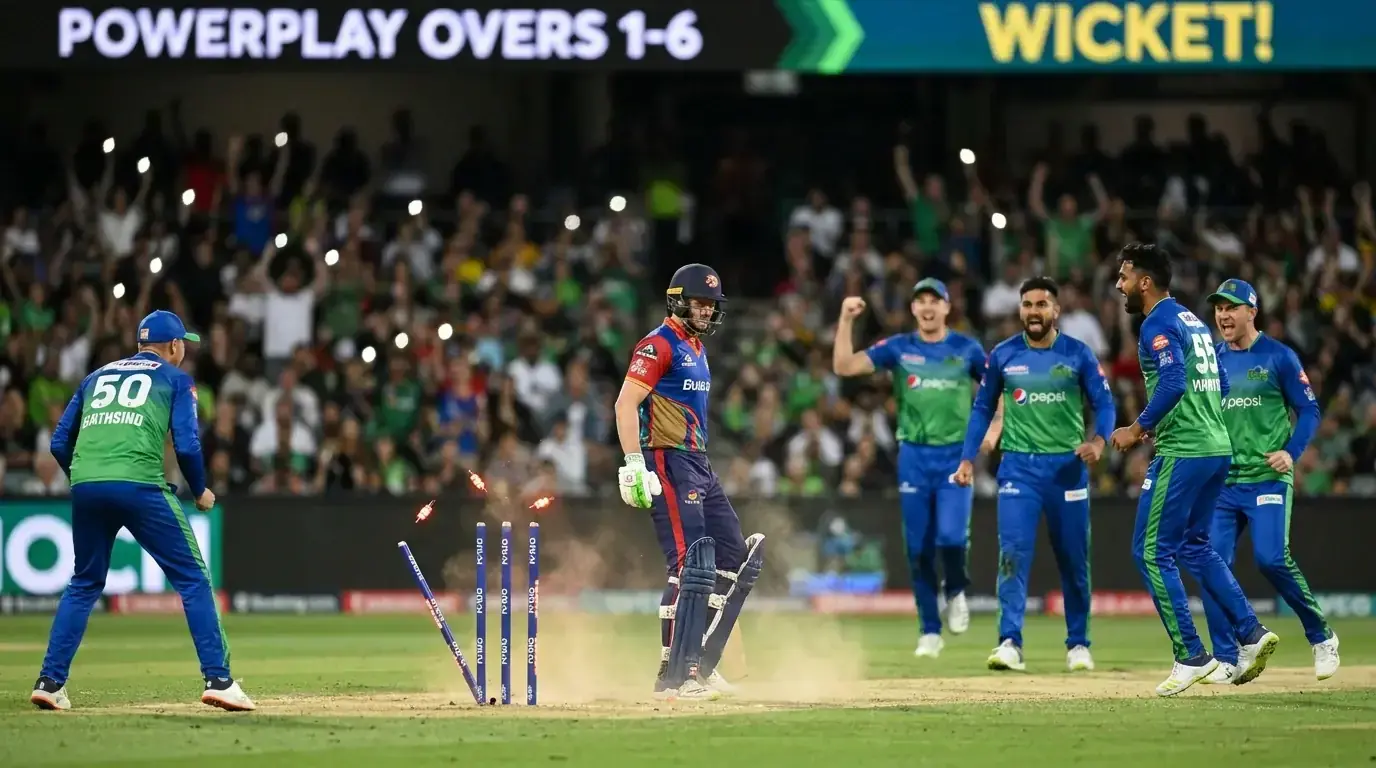
The over/under runs market is the most popular powerplay bet, but it is not the only one — and in some cases not the most profitable. Powerplay wickets markets price the number of dismissals in the first six overs: over 0.5, over 1.5, and so on. This market is driven almost entirely by the quality of the new-ball attack and the aggressiveness of the openers. In T20 cricket, where the overall upset rate sits between 35-40%, the powerplay phase is where underdogs create the platform for their victories — taking early wickets that shift the pressure and alter the match trajectory.
I have found that the powerplay wickets market is most mispriced when a strong batting lineup faces a weak new-ball attack. The market assumes fewer wickets because the batting side is strong overall, but the powerplay is a specific matchup phase where the batting lineup’s depth is irrelevant — only the openers face the new ball. If the openers are aggressive but inconsistent against seam bowling, the new-ball wicket probability is higher than the team’s overall batting reputation suggests.
Powerplay boundaries is another niche market. The line typically sits around 5.5-7.5 boundaries in the first six overs of a T20. This market is sensitive to ground dimensions — short square boundaries produce more fours and sixes regardless of bowling quality — and to the specific shot profiles of the openers. An opener who scores primarily through boundaries (strike-rate driven by fours and sixes rather than rotation) will push the boundary count higher than an accumulator who scores at a similar strike rate through singles and twos. I separate boundary percentage from strike rate in my opener profiles and use the boundary-specific data to price this market independently.
Timing Your Powerplay Bets for Maximum Edge
Powerplay markets open early — typically 12-24 hours before the match — and the prices move as team news emerges. My approach to T20 betting in general applies here with extra emphasis: the single biggest information event for powerplay betting is the confirmation of the opening batting pair and the new-ball bowling combination. In franchise cricket, these are not always predictable. Teams rotate openers, promote pinch-hitters, and adjust their bowling combinations based on matchups and conditions. A confirmed team sheet that resolves these uncertainties is the trigger for my powerplay bets.
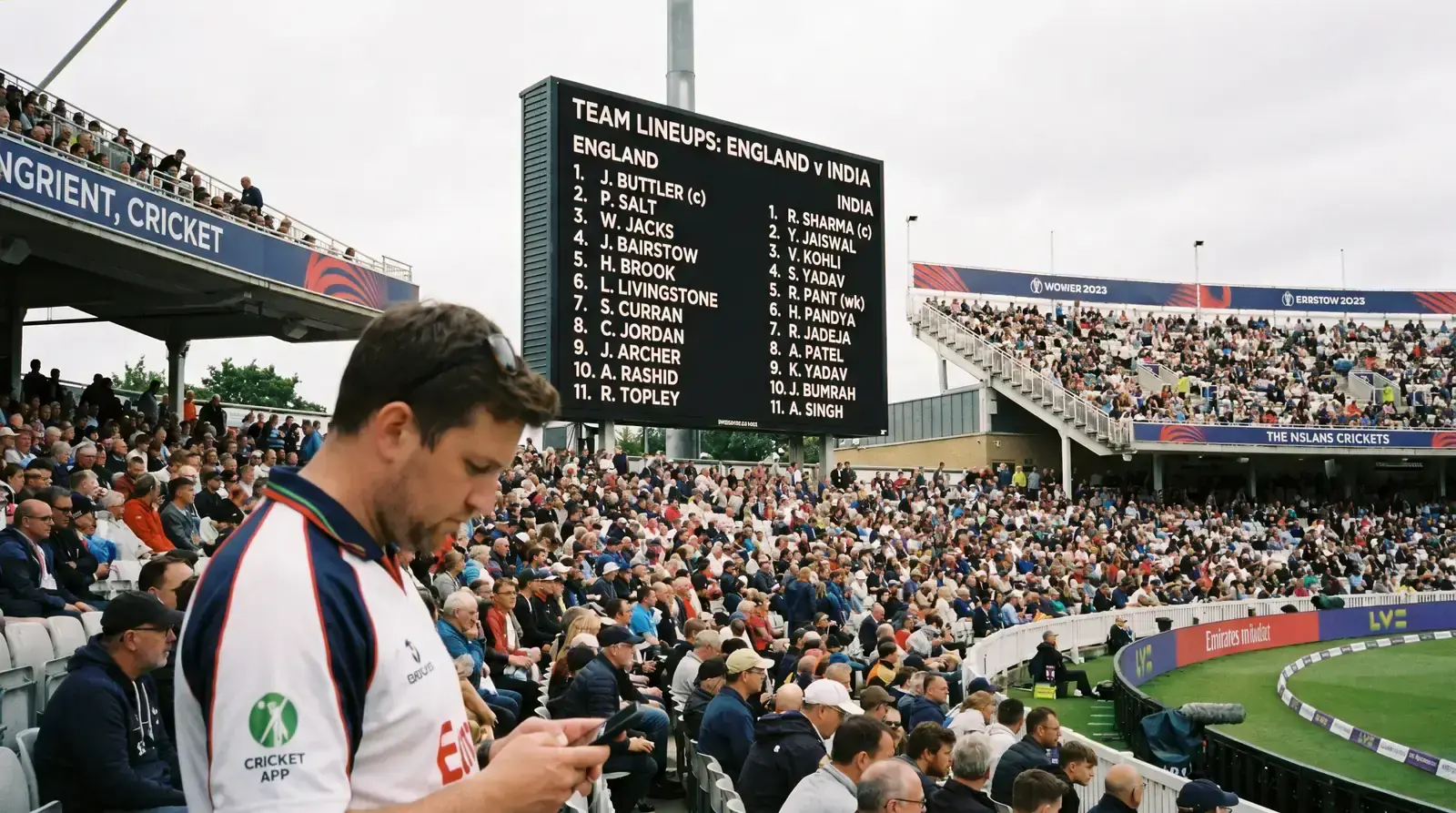
I place most powerplay bets in the 30-60 minute window between team sheet confirmation and the first ball. Before that window, the price reflects assumptions about who will open and who will bowl. After team sheets, the price reflects confirmed information. The gap between the two is where the value sits — when my pre-prepared model, built on specific opener-versus-bowler data, can be applied to the confirmed lineup before the bookmaker’s algorithm fully adjusts.
In-play powerplay betting is tempting but treacherous. Once the powerplay starts, the odds move ball by ball. A boundary off the first delivery shifts the total runs line immediately. Two dot balls pull it back. The speed of adjustment in a six-over window is too fast for manual analysis to outpace the algorithm unless you are reacting to a visible tactical change — a bowling substitution, a field change that signals intent, or a clear pitch behaviour that was not apparent before the match started. I restrict my in-play powerplay activity to these tactical signals and avoid chasing ball-by-ball price movements.
