
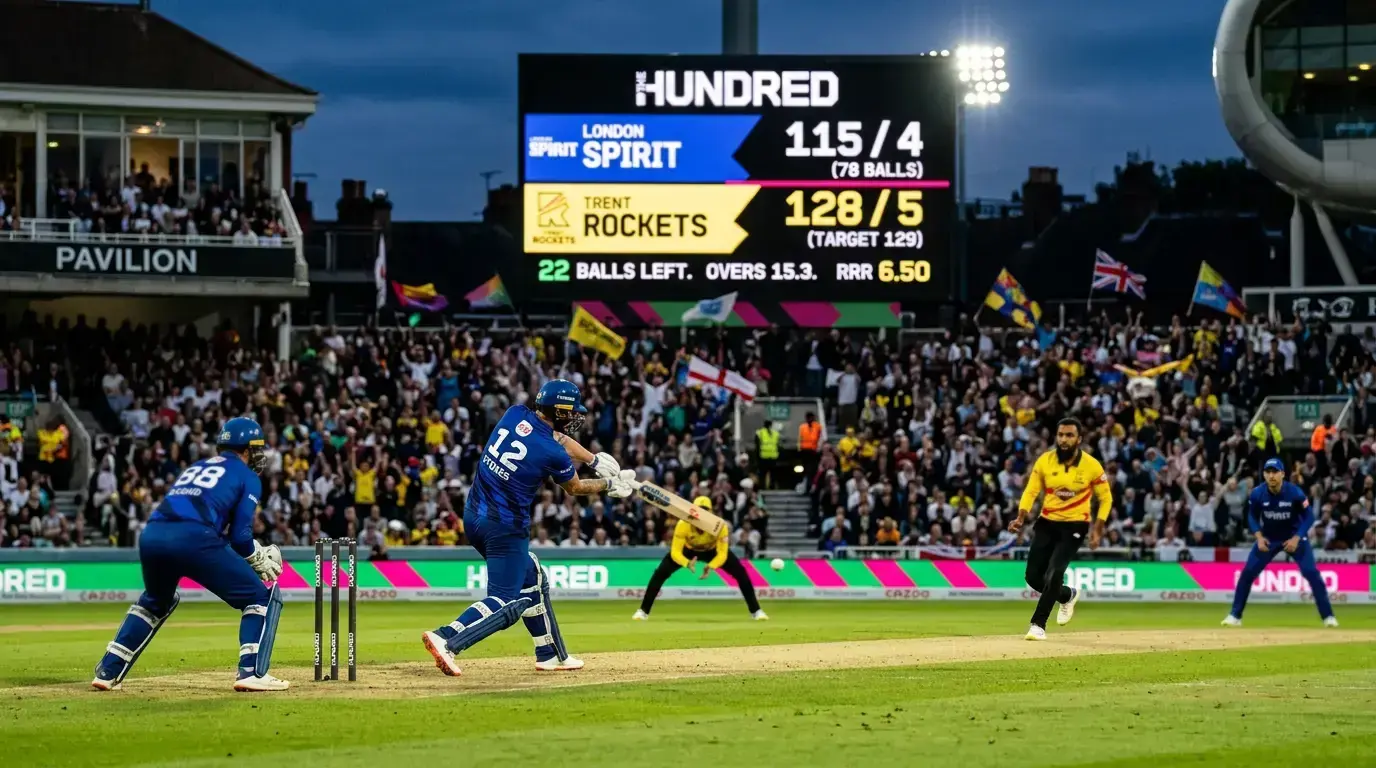

The Hundred confused me the first time I tried to model it. Not the rules — those are simple enough — but the way 100 balls compressed the variance profile compared to a T20. My usual T20 frameworks kept spitting out projections that were slightly off, and it took most of that inaugural 2021 season to understand why. The 25-ball bowling change, the strategic timeout placement, and the shorter innings length all shift the dynamics in ways that feel subtle but compound across a full tournament. The ECB published its Code of Conduct for gambling sponsorships in March 2025, applying to all Hundred teams from that season onward, which signals how seriously the tournament’s commercial and regulatory profile has grown since launch.
How 100-Ball Rules Change the Betting Landscape
The defining feature of The Hundred is not the ball count — it is the bowling structure. Each bowler delivers either five or ten consecutive balls, with the fielding captain choosing when to make the change. This creates a strategic layer that does not exist in T20, where six-ball overs rotate automatically. A captain who keeps a fast bowler on for a ten-ball spell when the batsman is struggling can extract far more value from a matchup than the T20 equivalent allows. Conversely, a captain who misreads the situation and keeps a spinner on for ten balls against a set batsman will leak runs faster than in any other format.
For bettors, this bowling flexibility means that individual spell decisions carry outsized weight. I track which captains make aggressive bowling changes (switching bowlers after five balls in response to conditions) versus conservative ones (defaulting to ten-ball spells). Aggressive captains in The Hundred correlate with lower runs conceded in the middle phase of the innings, because they can react to matchup data in real time. When assessing a match, I check the fielding captain’s five-ball change frequency from prior matches — it is a surprisingly predictive variable for innings total lines.
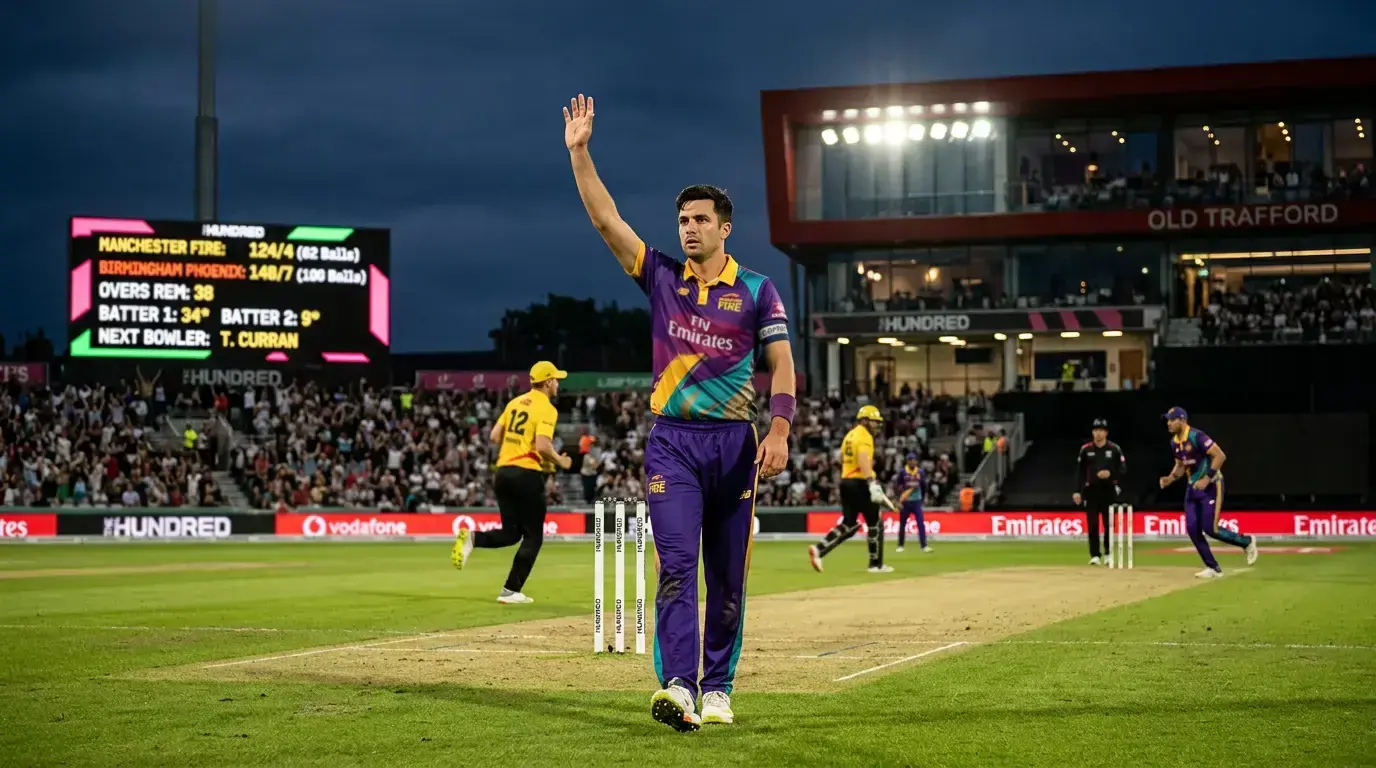
The strategic timeout adds another wrinkle. Unlike T20’s drinks break, The Hundred’s timeout is deployed by the fielding side at a moment of their choosing, and it breaks the batting side’s rhythm deliberately. I have noticed that run rates drop by an average of 0.8-1.2 runs per five-ball set in the immediate aftermath of a timeout when used during a batting surge. The market does not always account for this, particularly in-play. If the fielding side calls a timeout when the batting side has been scoring above nine an over, I look for the live total line to overshoot the likely correction.
Cricket overall is the fastest-growing segment in global sports betting, with The Hundred specifically cited as a driver of that growth. The format’s short duration, prime-time broadcast slot, and city-based franchise model attract both viewers and betting volume that would not exist in traditional county cricket.
Market Availability and Pricing Gaps
Not every UK bookmaker gives The Hundred the same attention, and that inconsistency creates opportunity. The major operators — Bet365, Sky Bet, Betway — typically offer 30-40 markets per Hundred match during the live event, but some mid-tier platforms list only 10-15. I maintain accounts across four bookmakers specifically to compare Hundred odds, and the price discrepancies are wider than for IPL or international T20s. The reason is straightforward: The Hundred generates less global betting volume than the IPL, so each bookmaker’s model has fewer data points to calibrate against.

Top batsman and top bowler markets in The Hundred are particularly interesting because the 100-ball format changes the value distribution. In T20, the top batsman market is dominated by openers and number three batsmen who face the most deliveries. In The Hundred, the shorter innings means middle-order batsmen who bat at positions four and five face a compressed but potentially more impactful set of deliveries during the acceleration phase. I have found that middle-order hitters are underpriced in The Hundred’s top batsman market relative to their actual contribution frequency — the market applies T20 weighting to a format where the dynamics differ.
Accumulator builders should note that The Hundred’s compact schedule — all matches within roughly four weeks — creates correlating factors across legs. Fatigue, squad rotation between men’s and women’s Hundred fixtures, and weather patterns across English venues in July and August all introduce dependencies that a simple acca model will not capture.
Squad Composition and Draft Dynamics
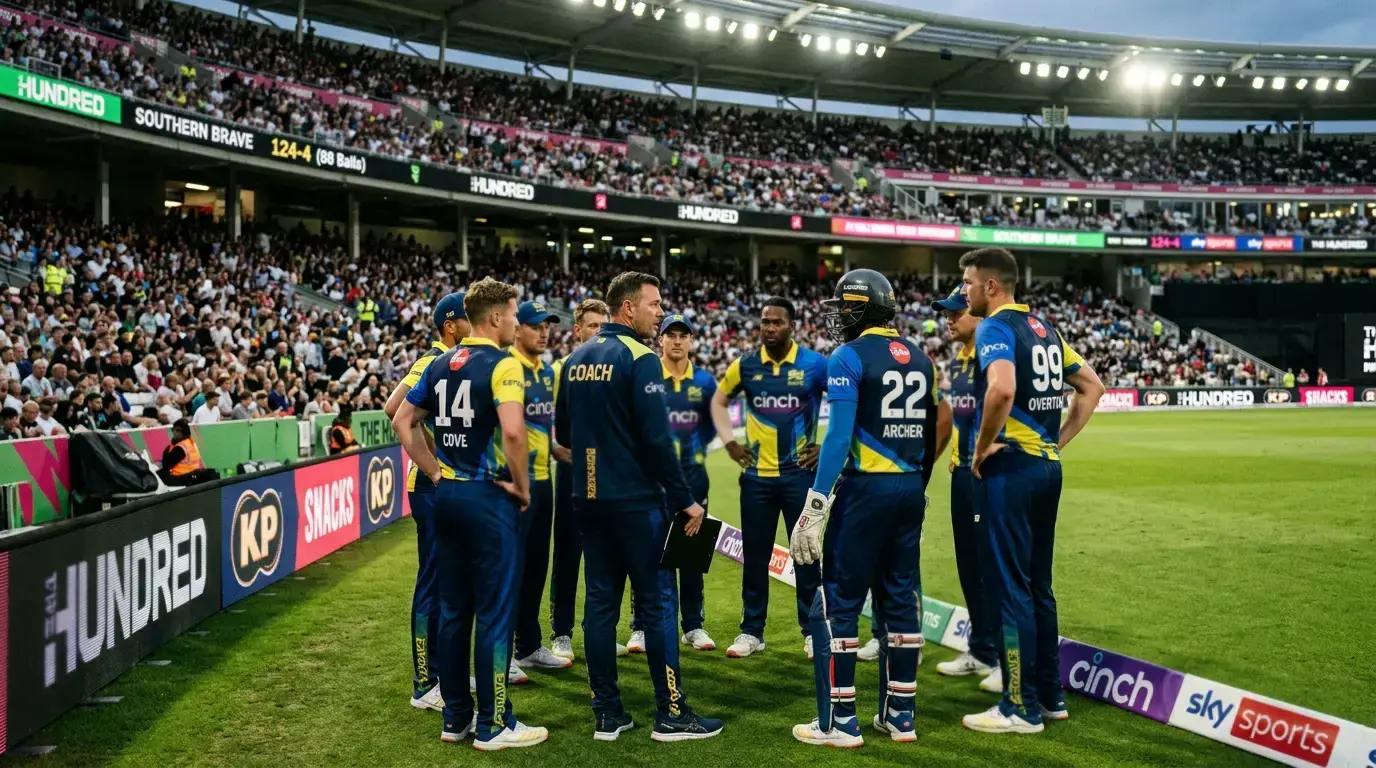
The Hundred uses a draft system rather than an auction, which produces different squad profiles than franchise leagues with unlimited budgets. Each team has a salary cap, and the draft order rotates, meaning no franchise can simply buy its way to the strongest XI. I pay close attention to the draft because the order of picks reveals each franchise’s strategic priorities — a team that drafts a death bowler in round two, for example, is signalling a gap in its existing retained roster that the coaching staff considers critical.
Overseas players are the wild card. Each Hundred team can field three overseas players per match, and the quality differential between a franchise with three world-class overseas imports and one relying on developing talent is significant. I rank each team’s overseas trio pre-tournament and compare their combined T20I averages and strike rates against the opposition. When one franchise has a marked overseas advantage but the match-winner odds are level, the market is underpricing squad depth.

Retention rules change between seasons, and keeping track of which franchises have rebuilt versus maintained continuity is essential. A team that retains its core four or five players and adds one targeted overseas signing will typically outperform a team that has turned over 60% of its squad through the draft. Coaching continuity matters here too — The Hundred is young enough that franchises are still building identity, and a new head coach often means a new tactical approach that takes three or four matches to embed.
Venue Factors Across English Grounds
The Hundred rotates across eight English venues, each with its own characteristics. The Oval tends to produce flat, high-scoring pitches with short square boundaries. Edgbaston offers pace and bounce. Lord’s has a slope that affects bowling lines and run scoring patterns. Headingley can seam under cloud cover but bats well in sunshine. Trent Bridge is a batting paradise with one of the fastest outfields in England.
I build venue profiles that track average first-innings totals, powerplay scoring rates (overs 1-25 in Hundred terms), and the win percentage of teams batting first versus chasing. In The Hundred’s short history, chasing sides have won slightly more often than teams batting first, but the margin is venue-dependent. At The Oval, batting first has been more successful because the pitch does not change significantly across a three-hour match. At Headingley and Edgbaston, conditions under lights favour the chasing side. Knowing these splits lets you make sharper assessments of the toss impact — or more precisely, the lack thereof — at each ground.

Treating The Hundred as Its Own Data Set
The biggest mistake I see bettors make with The Hundred is importing their T20 models wholesale. The format looks similar on the surface, but the bowling flexibility, shorter innings, and draft-based squad construction create a distinct statistical environment. Build your Hundred models from Hundred data, not from T20 proxies. Three completed seasons give you enough to identify trends, and each new season adds resolution. The bookmakers are still calibrating too — which means the pricing will sharpen over time and the window for finding edges will narrow. Use it while it lasts.
