
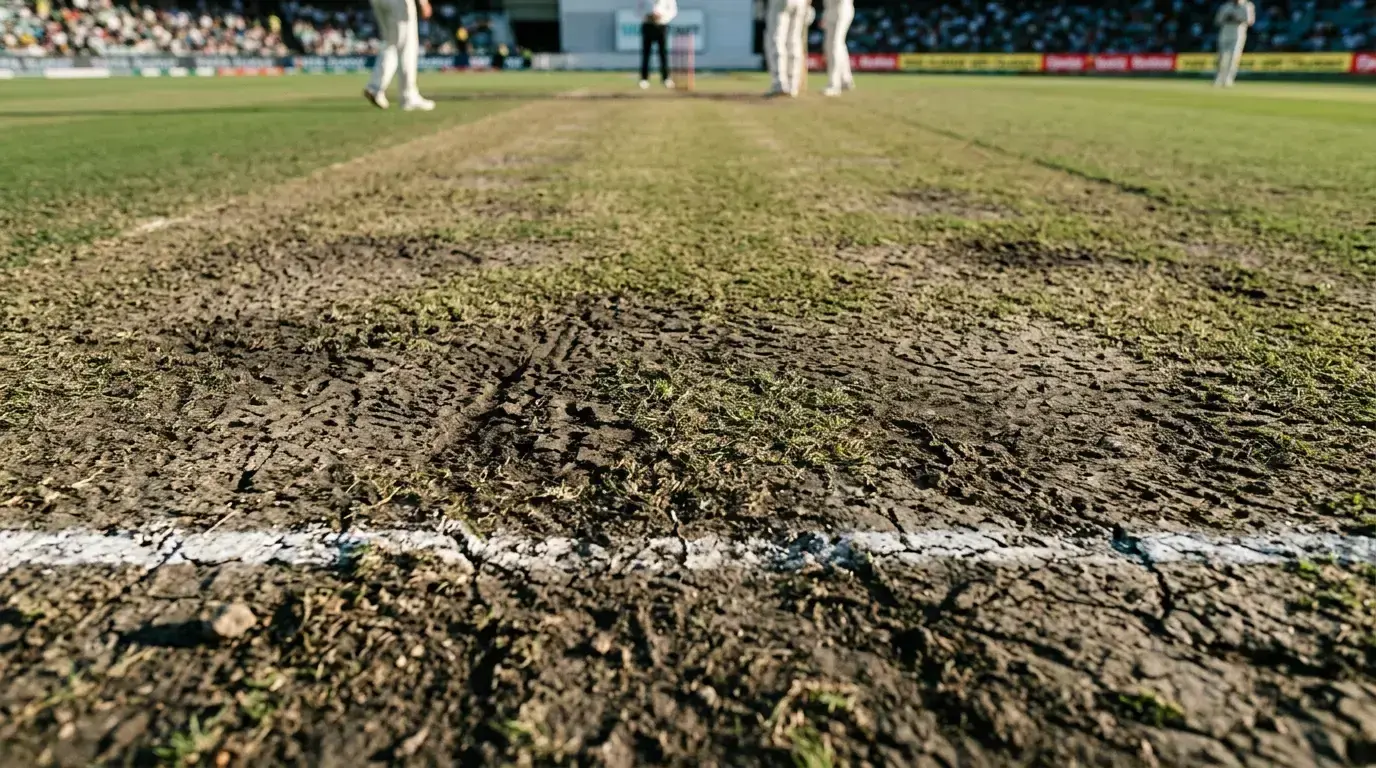

I spent a morning before a Test in Galle inspecting the pitch from the boundary edge, watching the groundstaff roll a surface that was already showing cracks 48 hours before the first ball. That visual told me more about the likely match outcome than any team news or ranking could. The pitch is the one constant in every cricket match — both teams play on the same 22 yards — and understanding what that surface will do across the course of a match gives you an informational edge that no amount of squad analysis can replicate. Most bettors check the toss, check the team sheets, and place their bets. I check the pitch first, everything else second.
Soil Types and How They Shape the Game
The ECB’s Code of Conduct for gambling sponsorships, published in March 2025, reflects a broader recognition that cricket’s commercial relationships must be managed responsibly — but for bettors, the more consequential science happens in the soil beneath the pitch. Red soil, found at venues like Chepauk in Chennai and across much of southern India, produces hard, true surfaces that start well for batting and deteriorate into spin-friendly tracks from day two or three. The red clay binds tightly when prepared, but as moisture evaporates, it cracks and creates uneven bounce — precisely the conditions that make leg-spinners and off-spinners dangerous.
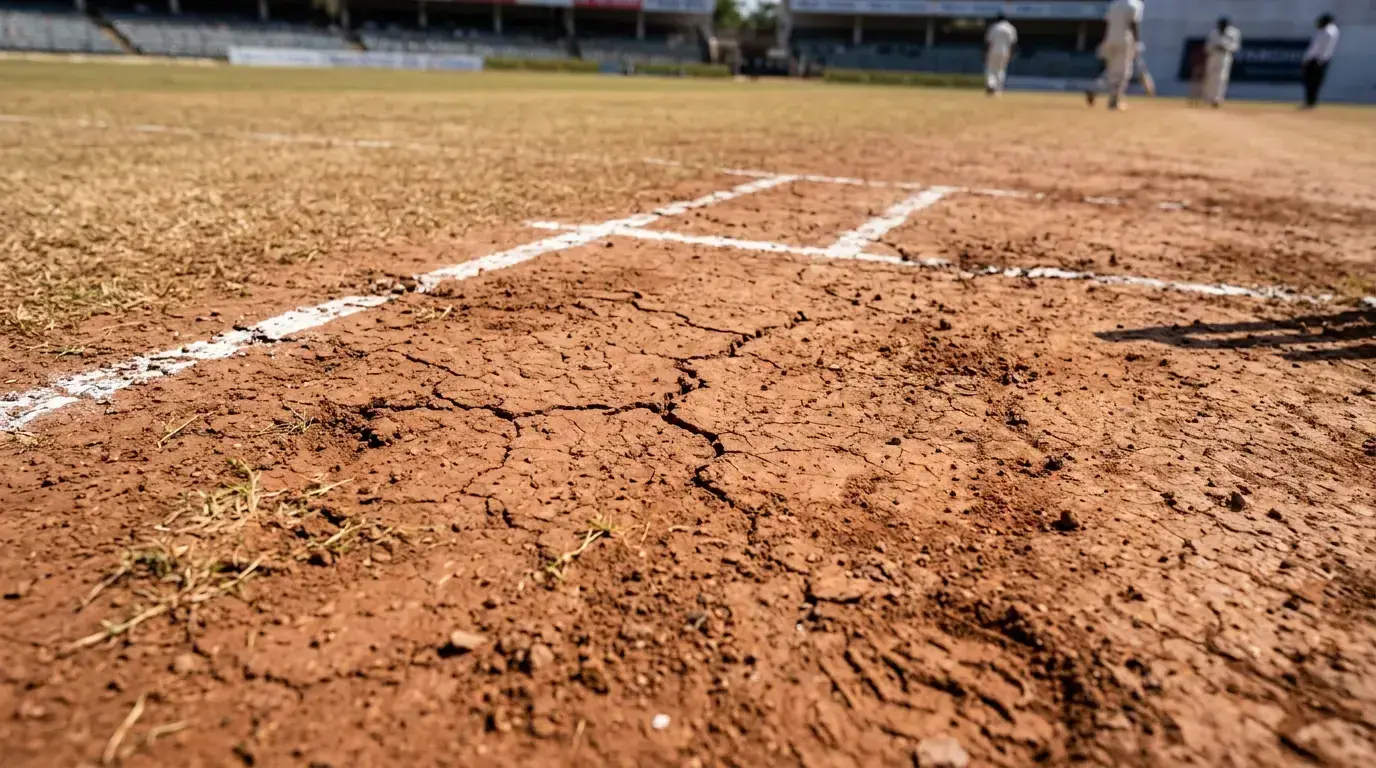
Black cotton soil, prevalent at venues like Nagpur and Rajkot, behaves differently. It retains moisture longer, which means the pitch can offer more to seam bowlers on day one than a red-soil surface would, but once it dries, it cracks more aggressively and turns extravagantly. Black-soil pitches produce more low-scoring Tests and more dramatic day-four collapses than any other surface type. When I model matches at black-soil venues, I lower my projected first-innings total by 15-20% relative to the same teams playing on red soil.
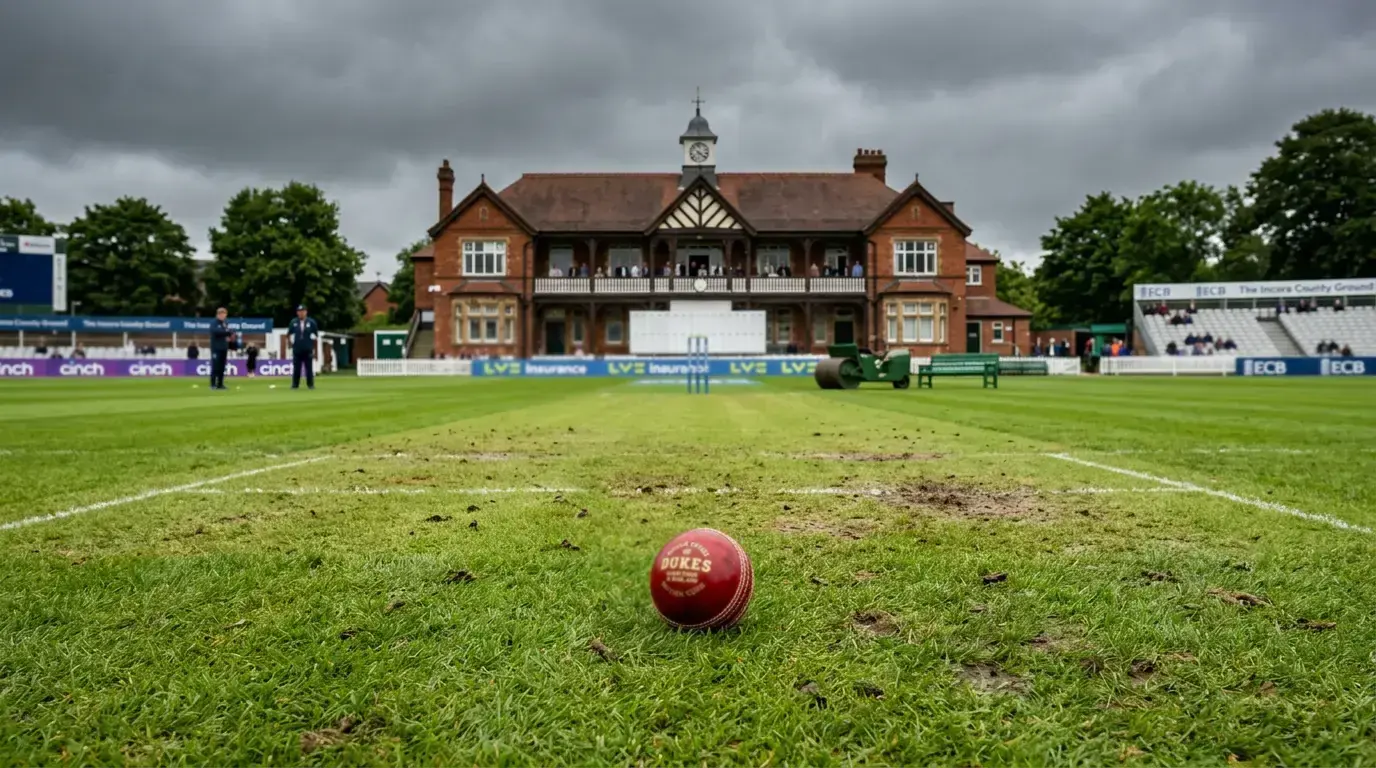
English pitches sit on a different spectrum entirely. The clay-and-loam composition used at most county grounds produces surfaces that seam early, flatten in the middle of a match, and then offer reverse swing and variable bounce later. The Dukes ball compounds this behaviour — its prominent seam grips English surfaces more than the Kookaburra does on Australian or subcontinental tracks. Knowing the soil composition at each venue is the first layer of my pitch analysis; it tells me the general arc of the match before any specific pitch report arrives.
Green Top Versus Dry Surface: Reading the Visual Cues
A “green top” is a pitch with visible grass coverage, and it is the most obvious visual indicator that conditions will favour pace bowling. The grass retains moisture, binds the surface together, and provides a platform for the ball to seam and swing. Matches on green tops tend to produce lower first-innings totals and favour teams with strong seam-bowling attacks. The challenge for bettors is that not every green pitch behaves the same way. A lightly grassed pitch at Lord’s with a firm base underneath can still bat well once the initial moisture burns off, while a heavily grassed pitch at Headingley under cloud cover can be genuinely treacherous for the full first day.
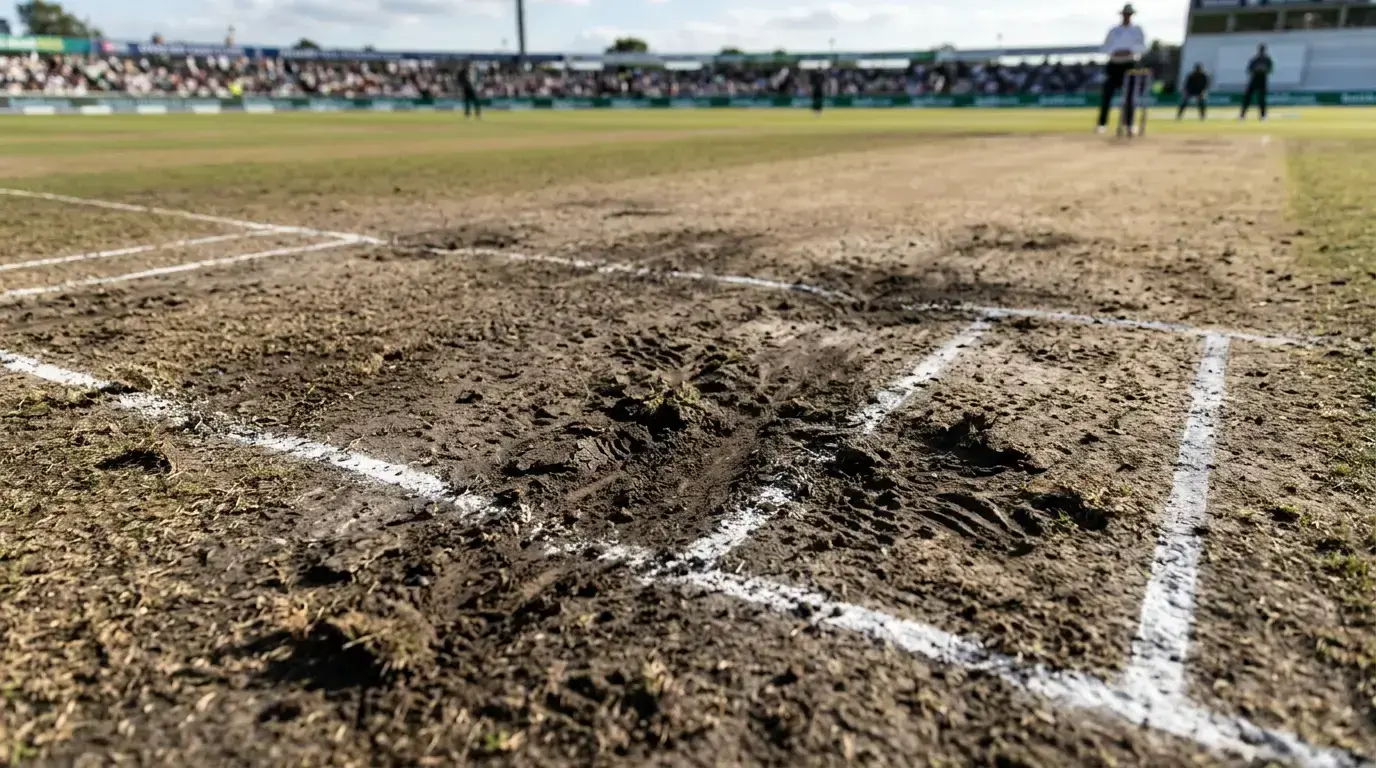
Dry surfaces tell the opposite story. A pitch that appears brown, cracked, and dusty before the match will spin from ball one and deteriorate further as the match progresses. These surfaces favour teams with quality spinners and make the toss more influential, because batting first on a surface that will only get worse is a significant structural advantage.

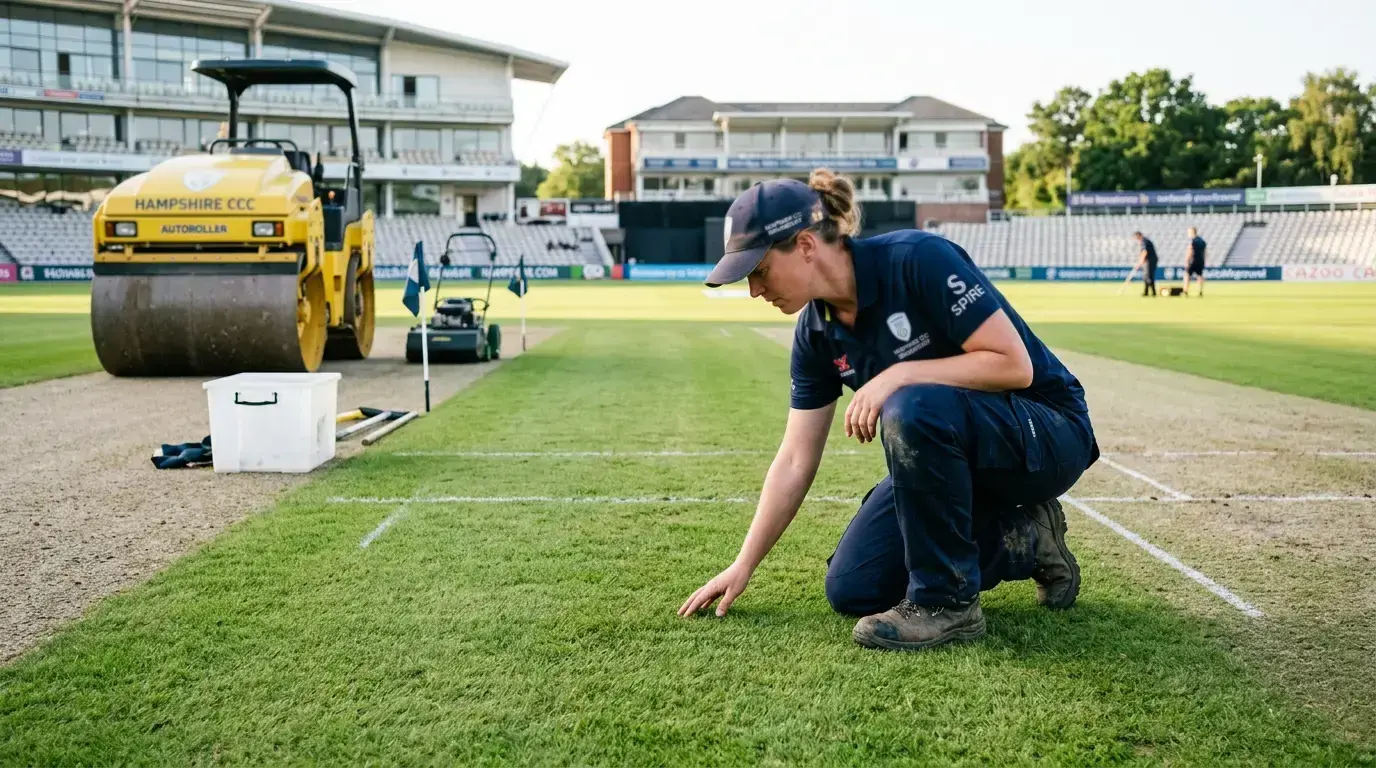
I photograph the pitch from published media images or broadcast footage before every match I model, and I compare the visual to a reference library of pitches I have catalogued over the past decade. This sounds obsessive, but the visual comparison catches subtleties that text-based pitch reports miss. A pitch that “looks dry” but has a slight sheen of moisture will behave very differently from one that is bone dry. Training your eye takes time, but it is one of the few truly informational advantages an independent bettor can develop.
Surface Change Indicators: What to Watch For
Rather than mapping day-by-day pitch evolution in detail — I have covered that in the context of weather and conditions analysis — I want to focus here on the specific indicators that signal surface change during a match. These are the visual and statistical cues that tell you the pitch is transitioning from one phase to another, which is when the biggest betting opportunities appear.
Cracks widening between sessions are the most reliable indicator. If you can see visible gaps in the surface during the day-two broadcast that were not present on day one, the pitch is deteriorating faster than average. Dust rising on impact from the bowler’s landing area tells you the surface is breaking up — spin bowlers will get more purchase, and the ball will start to grip and turn sharply. Uneven bounce, where consecutive deliveries from the same bowler hit different heights, signals that the surface has lost its consistency and batting will become progressively harder.
The IPL’s dry ball replacement rule, introduced in 2025, demonstrated just how quickly a single regulatory change can neutralise a long-standing conditions advantage — the chase win rate on dew-heavy pitches dropped from roughly 60% to 51-52%. In Test cricket, surface change is equally decisive but slower-moving, which gives bettors more time to react. When I spot two or more of these indicators during a session break, I reassess the match-winner and draw probabilities immediately, because the bookmaker’s live model often lags behind the physical reality of the surface.
Reading Pitch Reports Before You Bet
Pitch reports from broadcast pundits and cricket media vary enormously in quality. The best reports come from journalists or analysts who have physically inspected the surface and can describe the soil colour, moisture level, grass coverage, and crack patterns. The worst are generic summaries recycled from the venue’s historical average. T20 favourites win 60-65% of matches, but on surfaces that strongly favour one bowling type, the favourite can shift dramatically depending on squad composition — making the pitch report a critical variable in pre-match modelling.
I use pitch reports as one input among several rather than taking them at face value. A report that says “good batting track, should be high-scoring” is useless without context about the specific match — which teams are playing, which bowlers suit the surface, and what the weather will do during the match. I combine the pitch report with my own visual assessment, the venue’s rolling average first-innings total (last ten matches at that ground), and the bowling attack profiles of both teams to generate a condition-adjusted match probability.

One practical tip: the most useful pitch reports are published 24-48 hours before the match, after the final pitch preparation but before the toss. Reports published earlier than this may not reflect last-minute changes by the groundstaff. I set alerts for trusted cricket journalists who publish late pitch assessments and treat these as higher-signal inputs than pre-match previews that went to press three days before the game.
