
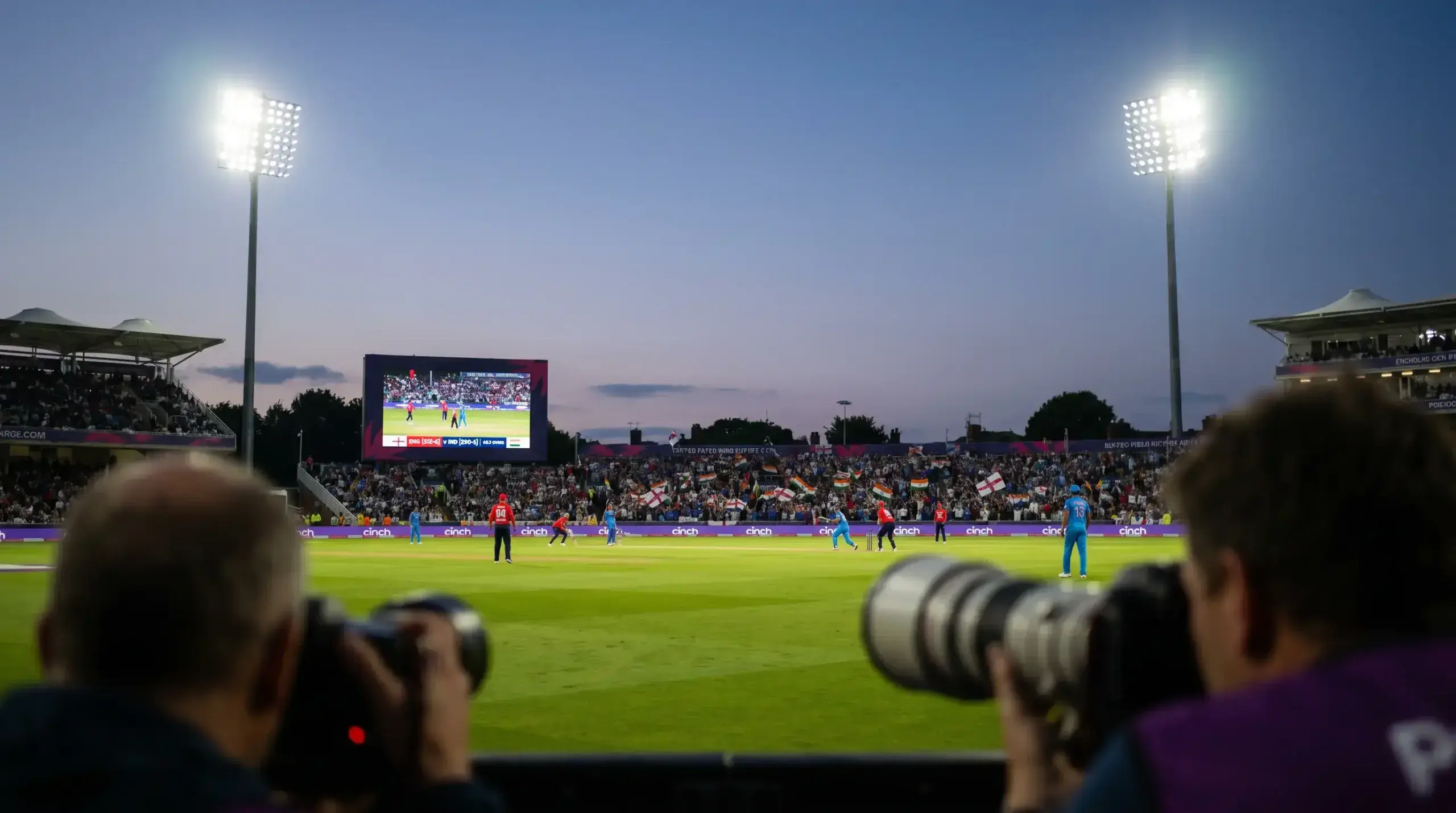

The 2019 ODI World Cup final at Lord’s was the most extraordinary cricket match I have ever watched — and the most frustrating from a betting perspective. I had backed New Zealand at 3.40 before the tournament, watched them reach the final as my outright bet sat in profit, and then saw them tied on scores, tied on the super over, and eliminated on a boundary countback rule that no one had thought about beforehand. That experience crystallised something I now tell every bettor who asks about World Cup wagering: tournament betting is a different discipline from match betting. The stakes are higher, the timelines are longer, and the variance is brutal.
Outright and Group Stage Markets
The outright winner market is the headline bet for any Cricket World Cup, and it is where the biggest potential returns sit. The global cricket betting market was valued at $76.5 billion in 2023 with projections reaching $151.2 billion by 2032, and World Cup tournaments capture a disproportionate share of that volume. High liquidity means competitive pricing, but it also means the market is sharp — finding genuine value on an outright winner requires identifying a mispricing that thousands of professional bettors and trading desks have missed.
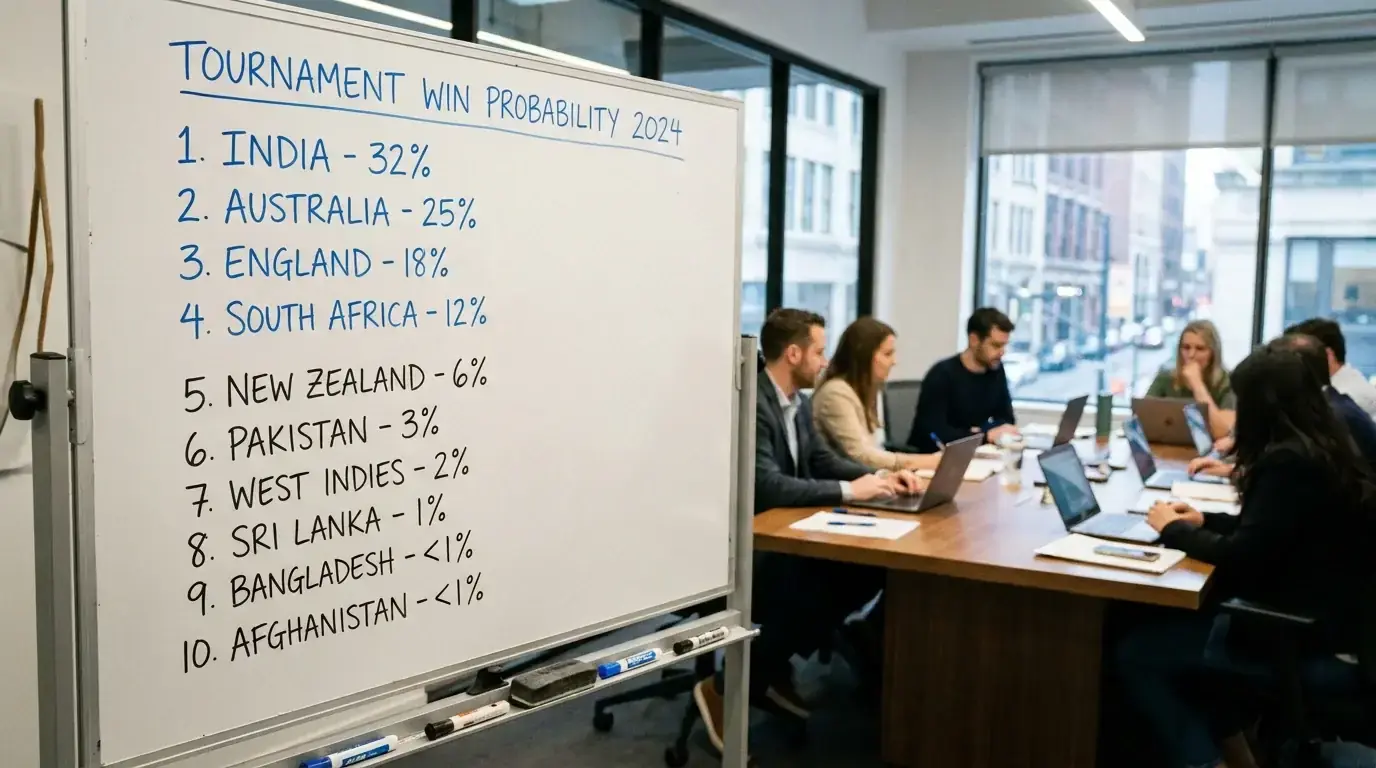
I approach outright markets by building a probability model for every team reaching each stage (group, semi-final, final, winner) and then comparing my cumulative probability to the bookmaker’s outright price. If my model gives India a 22% chance of winning and the bookmaker’s implied probability is 18%, the discrepancy is worth investigating. If it is 22% versus 21%, the edge is too thin to justify the capital lock-up over a multi-week tournament. I require at least a 4% absolute discrepancy before taking an outright position.
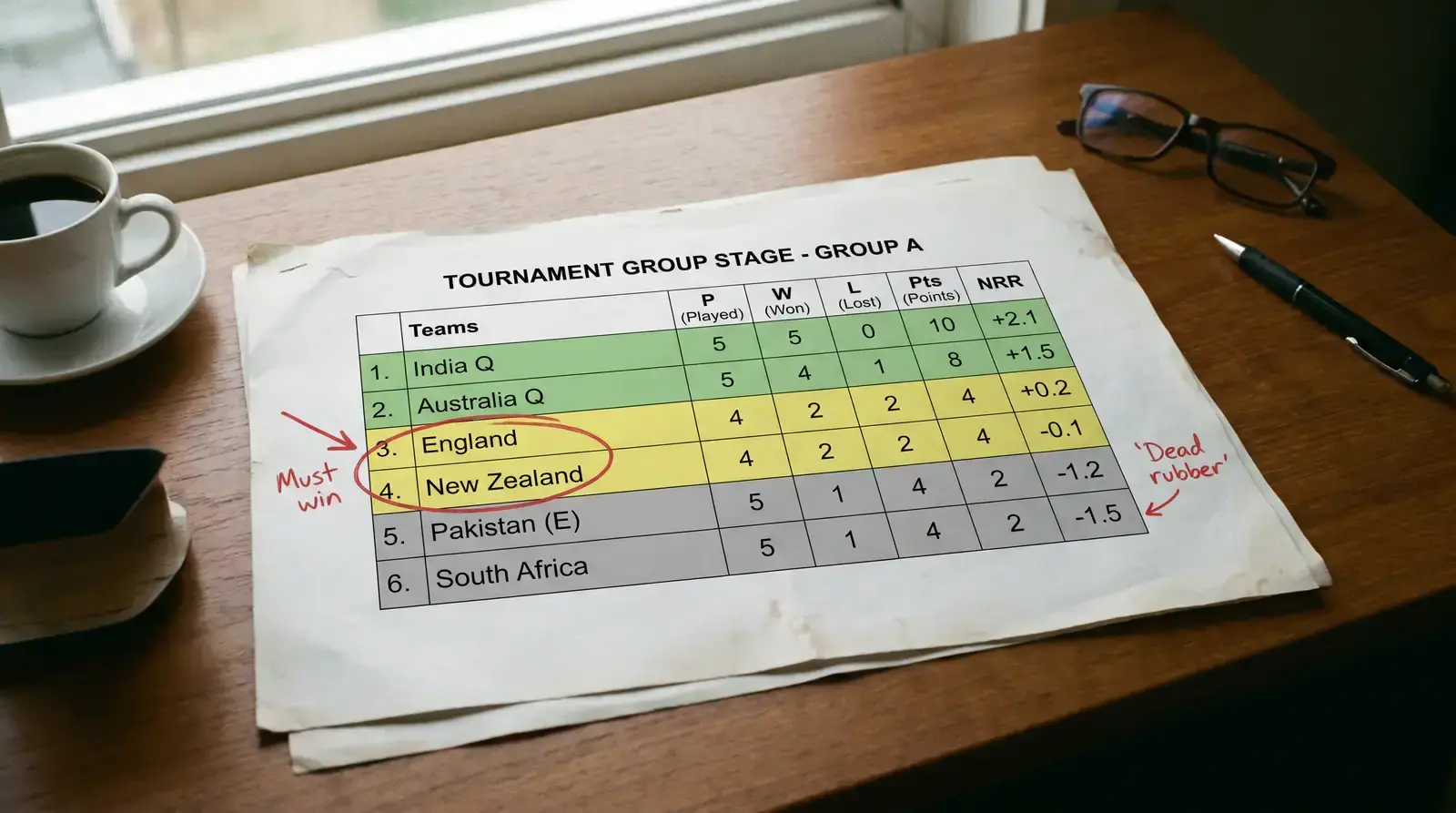
Group stage markets offer more frequent opportunities. Match-winner bets during the round-robin phase are priced like any bilateral match, with the added dimension of team motivation and qualification mathematics. A team that has already qualified for the semi-finals may rest key players or experiment with combinations in their final group match. A team fighting for survival will field its strongest XI. The market adjusts for this to some degree, but not always fast enough — particularly when the qualification scenarios are complex and the team’s strategic intent is ambiguous until the toss.
Host Nation Advantage and Conditions Familiarity
Host nation advantage in cricket World Cups is real and quantifiable. Teams playing at home benefit from familiar pitches, home crowd support, acclimatisation to weather conditions, and — crucially — the ability to prepare surfaces that suit their bowling and batting strengths. The host nation has reached the semi-finals in eight of the last ten ODI World Cups, and in five of those they reached the final.
For betting purposes, the host advantage is strongest in the group stage, where the home team plays the majority of its matches at familiar venues. In the knockout stages, the advantage diminishes slightly because the neutral venue effect of a World Cup final or semi-final reduces the home-ground factor. I apply a 5-7% probability adjustment upward for the host nation in group-stage matches and 3-4% in knockout matches, calibrated against historical home-advantage data from previous tournaments.
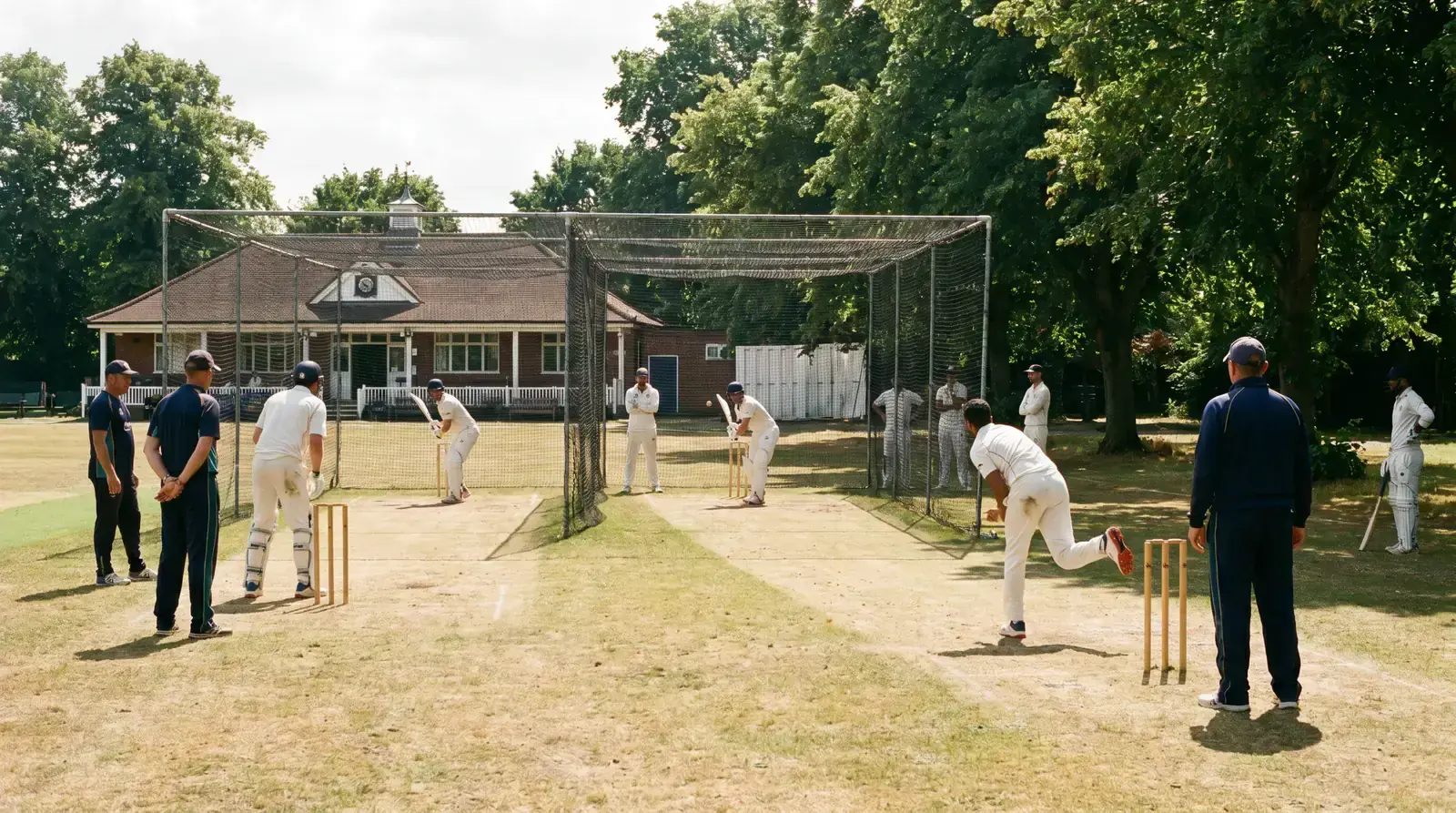
Conditions familiarity extends beyond the host nation to teams that regularly tour or compete in similar environments. An Indian team playing a World Cup in the Caribbean, where the pitches are slow and spin-friendly, holds a conditions advantage that the market recognises but sometimes underweights in the outright pricing. I map each team’s performance record in conditions similar to the host country and adjust my outright model accordingly. A team with a strong record on slow, turning pitches receives a probability boost when the World Cup is hosted in the subcontinent, even if it is not the home nation.
ODI-Specific Factors That Shape World Cup Outcomes
ODI cricket at World Cup level is different from bilateral ODI series. The pressure environment is more intense, the tactical conservatism is greater, and the margin for error is smaller because elimination is permanent. Teams tend to bat more conservatively in World Cup knockout matches than in bilateral fixtures, which compresses scoring ranges and makes the totals market less volatile but also harder to find mispriced.
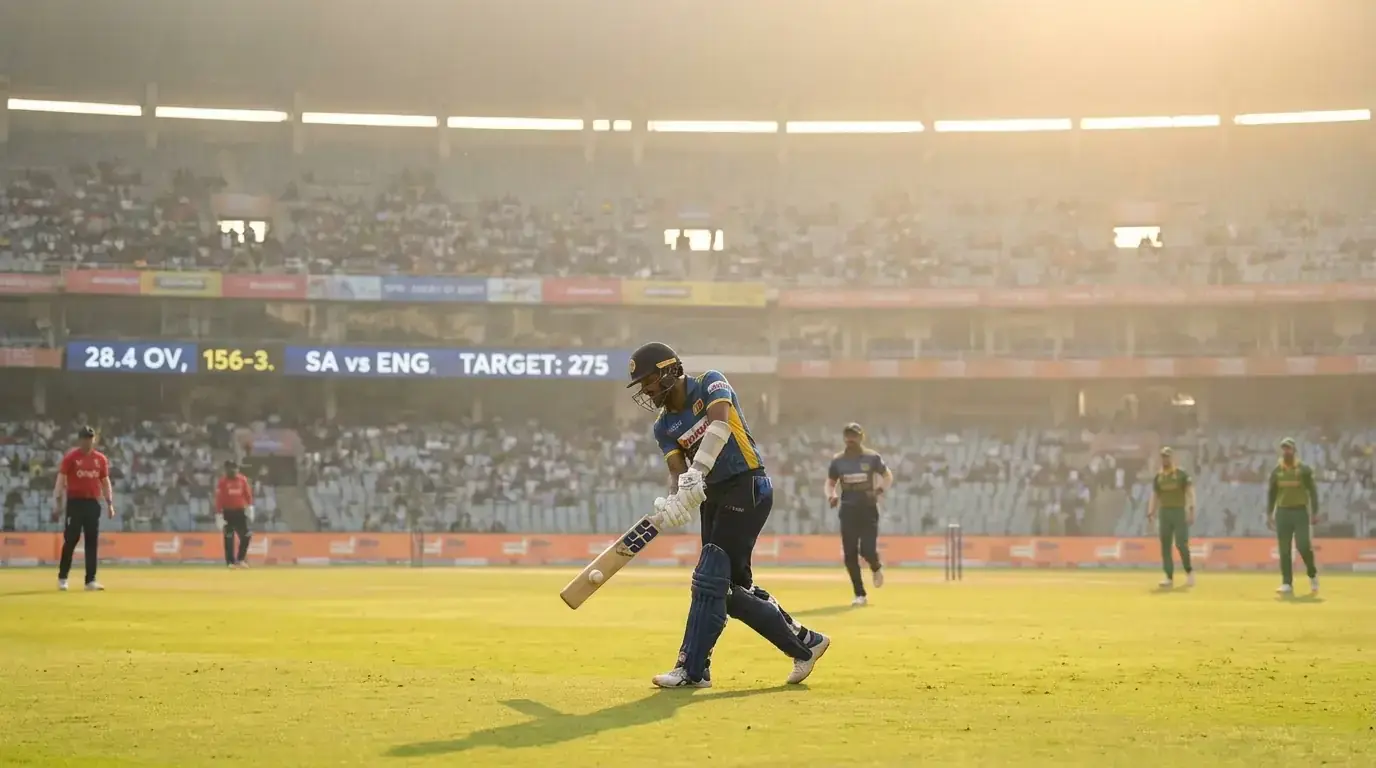
The middle overs (15-40) decide World Cup ODIs more than any other phase. The powerplay and death overs produce relatively predictable scoring patterns because the tactical options are limited — you attack the field restrictions early and target boundaries at the death. The middle overs are where teams reveal their tactical identity: do they consolidate and protect wickets for a late acceleration, or do they maintain a high run rate through risk-taking? The global online sports betting market reached $78.96 billion in 2024, and within that total, ODI World Cup matches generate some of the highest single-match volumes in cricket — which means the pricing is competitive but the matchup analysis in the middle-overs phase still offers edges because it requires format-specific modelling that generalist algorithms do not always capture.
The role of pace bowling in World Cup knockouts is another factor I weight heavily. In high-pressure matches, teams with elite fast-bowling attacks — the ability to take early wickets and restrict scoring in the death — have a structural advantage because batting collapses under pressure are more common than in low-stakes fixtures. I track the percentage of World Cup knockout matches decided by pace-bowling dominance versus spin dominance and find that fast bowling is the deciding factor in roughly 60% of knockout matches played on non-subcontinent pitches.
Knockout Stage Dynamics and Staking Adjustments
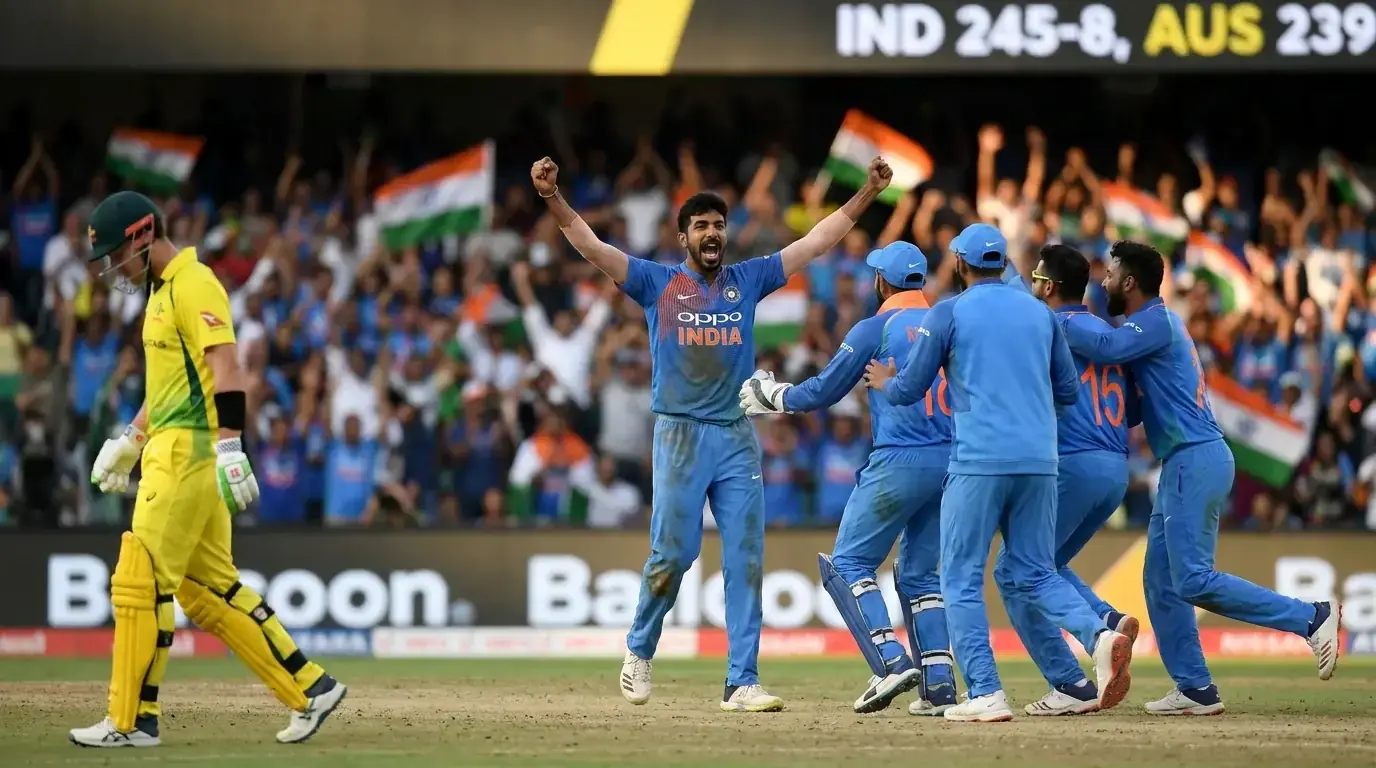
The knockout phase of a World Cup changes the betting calculus entirely. In the group stage, a loss is recoverable — teams have multiple matches to qualify. In the knockouts, a single result ends the tournament for one side. This binary-outcome pressure creates specific betting patterns: favourites tend to be overbet because recreational money gravitates toward the “safe” choice, which shortens the price and creates potential value on the underdog.
I have tracked World Cup semi-final and final pricing across the last five tournaments and found that the underdog in knockout matches outperforms the bookmaker’s implied probability by roughly 3-5%. The effect is strongest when the underdog is a team with a credible chance of winning but a lower public profile — think New Zealand in 2019 or Sri Lanka in historical tournaments. The market prices public perception, and in knockout matches, public perception skews toward the bigger brand. My approach to multi-leg betting applies here with extra caution: I avoid accumulators on knockout matches entirely because the variance is too high and the correlation between fixtures too unpredictable.
Staking on World Cup outright bets requires patience. An outright bet placed before the tournament starts can sit in your portfolio for six weeks before resolution. During that time, the market price will fluctuate based on results, injuries, and conditions. I use a partial cash-out strategy: if my outright selection wins its first three group matches and the price has shortened significantly, I cash out 30-40% of my position to lock in a partial profit, then let the remainder ride. This approach reduces the variance of the outright bet while maintaining exposure to the full upside if the team wins the tournament.

The timing of outright bets matters more than most bettors realise. Prices are longest before the tournament starts and shorten as the event progresses. But the information quality is also lowest before the tournament — squad fitness, conditions preparation, and tactical intent are all uncertain. I split my outright staking into two tranches: a smaller position before the tournament at the longest available price, and a larger position after the first round of group matches when I have observed each team’s form, fitness, and tactical approach. The second tranche is placed at a shorter price but with much higher confidence, and the combined position is typically more profitable than a single pre-tournament bet.
