
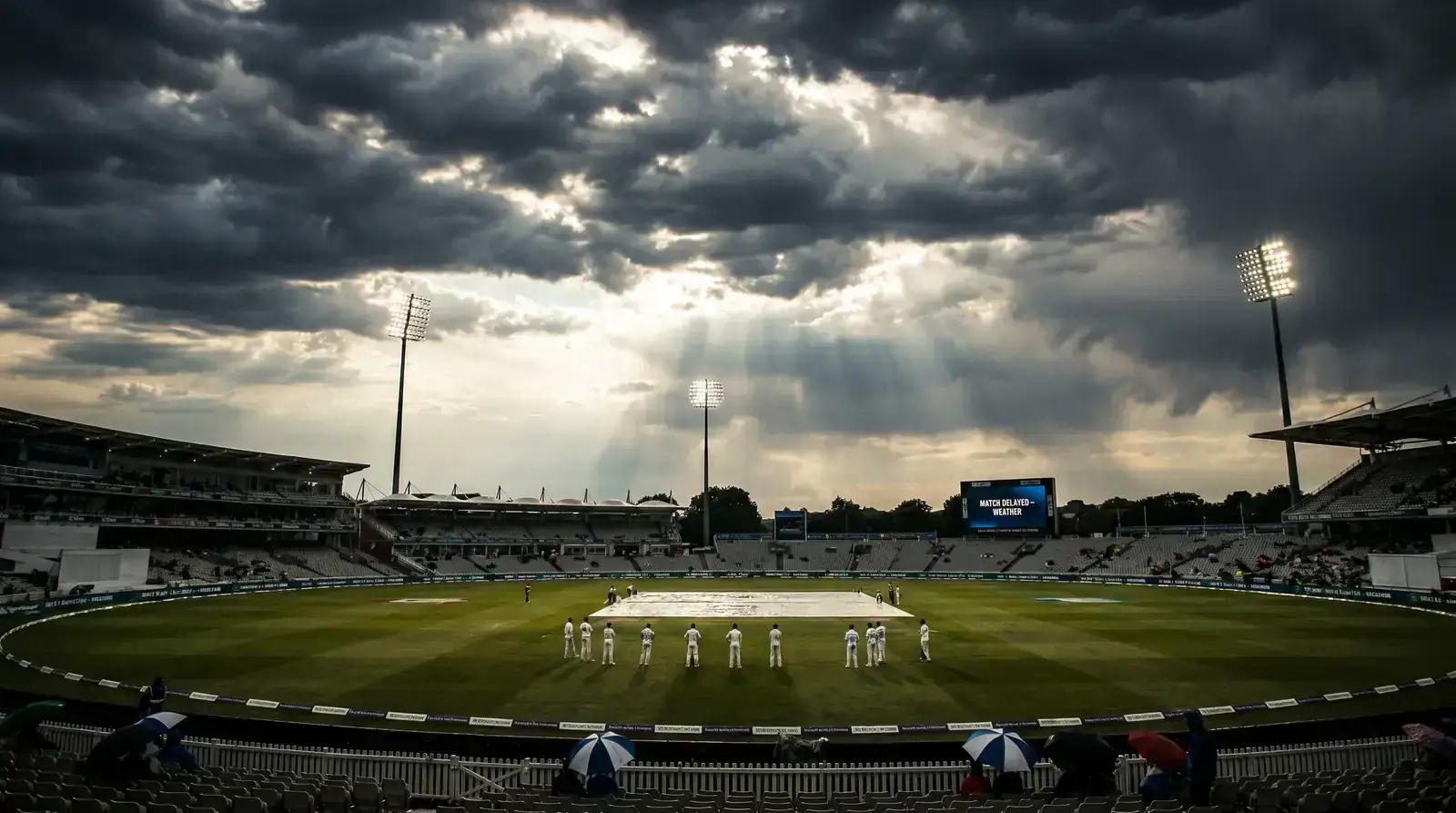

Rain cost me a perfectly positioned five-figure cricket bet in 2022. England were cruising in an ODI at the Oval, I had them at 1.90 pre-match, and then the skies opened at the 30-over mark and never closed. The match was abandoned, my bet voided, and the opportunity was gone. Weather is the one variable in cricket betting that cannot be modelled through squad analysis, form guides, or tactical reading. It exists outside the game and intervenes arbitrarily. But “arbitrarily” does not mean “unpredictably.” Weather forecasting is precise enough in 2026 that a bettor who integrates meteorological data into their pre-match analysis gains an edge over the majority who do not.
Overcast Conditions and the Swing Advantage
There is a reason English fast bowlers have built careers around the ability to swing the ball under cloud cover. Overcast skies create atmospheric conditions — specifically higher humidity and lower atmospheric pressure — that help the cricket ball move laterally through the air. The Dukes ball used in English cricket responds to these conditions more than the Kookaburra, and when cloud cover combines with residual moisture in the pitch, the bowling conditions can be genuinely hostile.
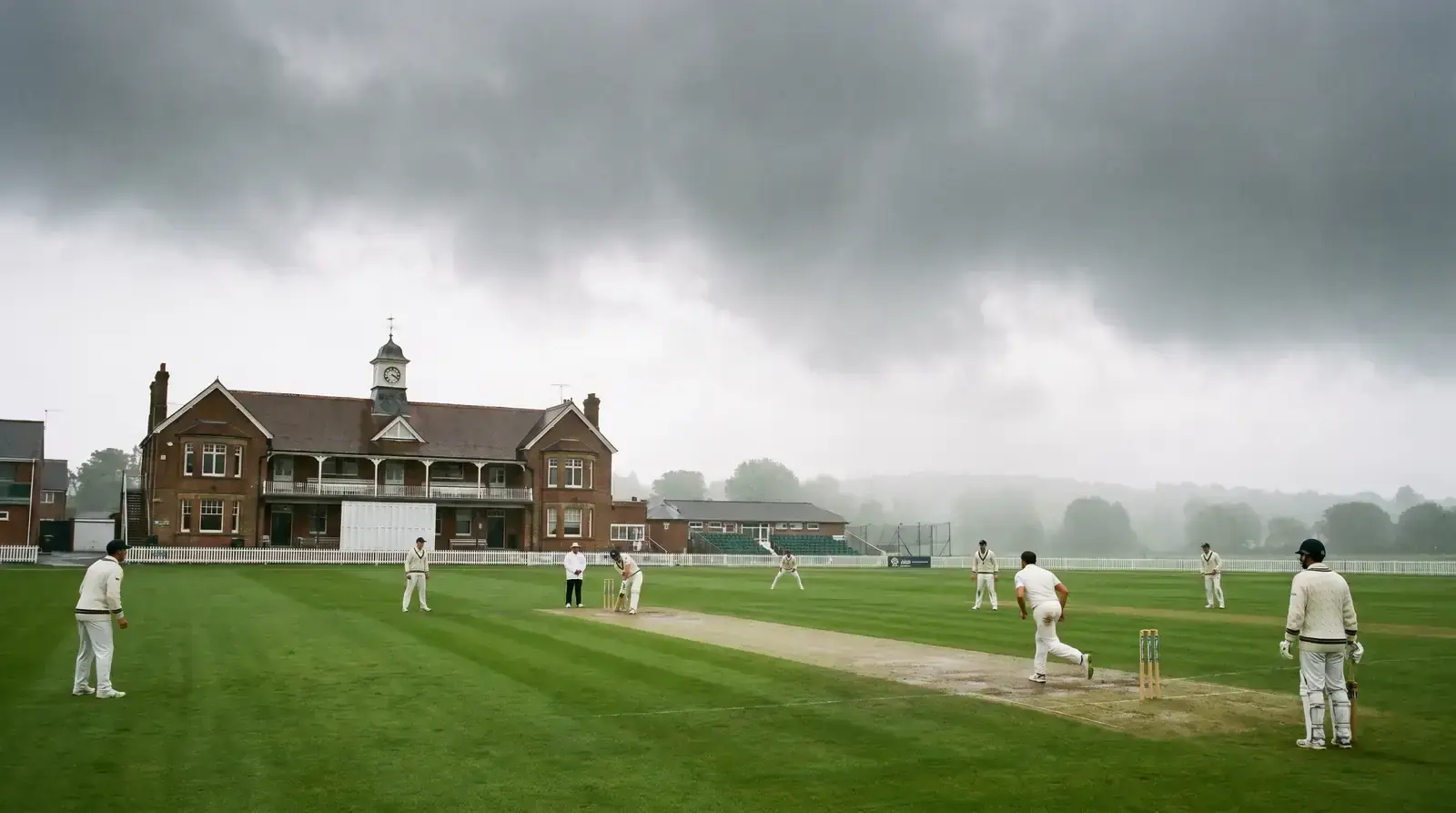
I track cloud cover forecasts for every English cricket match I model, and the correlation between overcast conditions and lower first-innings totals is consistent enough to trade on. At venues like Headingley, Trent Bridge, and the Rose Bowl, matches played under heavy cloud cover produce first-innings totals that are 15-25% lower than the venue’s long-term average. That suppression feeds directly into over/under total runs lines, which are typically set using the venue average without sufficient weather adjustment.
The practical edge is simple: when the forecast shows sustained cloud cover (not just morning cloud that will burn off), I lower my projected first-innings total and compare it to the bookmaker’s line. If the bookmaker has set the over/under at the venue average and I expect conditions to suppress scoring by 20%, the under becomes a value bet. The key is distinguishing genuine overcast conditions — sustained thick cloud through the playing hours — from partial cloud that will clear by mid-afternoon. I use hourly forecasts rather than daily summaries for this distinction.
Dew Factor Mathematics
Dew is water condensation that forms on the outfield and the ball during evening sessions, primarily in subcontinental and Middle Eastern venues. Its impact on cricket is mechanical: a wet ball is harder to grip, which reduces seam movement, spin, and the bowler’s ability to control line and length. Batting becomes easier and bowling becomes harder, which historically tilted the advantage toward teams chasing under lights.
The numbers were stark before 2025. At dew-affected Indian venues, teams batting second won approximately 60% of T20 and ODI matches played under lights. That 10-percentage-point advantage over the neutral 50% baseline was one of the most reliable conditions-based edges in cricket betting. Bettors who factored dew into their models and systematically backed the chasing side at dew-prone venues generated consistent returns.

Then the IPL introduced the dry ball replacement rule after the 10th over of the second innings in 2025, and the advantage dropped to roughly 51-52% at those same grounds. A 60% edge became a 51% non-edge almost overnight. I rebuilt my dew models that season, and the key finding was that dew still matters at venues where condensation is extreme (Chennai during April evenings, for example), but the rule change neutralised the advantage at moderate-dew venues. The market has been slow to fully adjust — many casual bettors still treat dew as the automatic chasing advantage it used to be, which creates value on the batting-first side in selected fixtures.
Rain Delays and DLS Implications
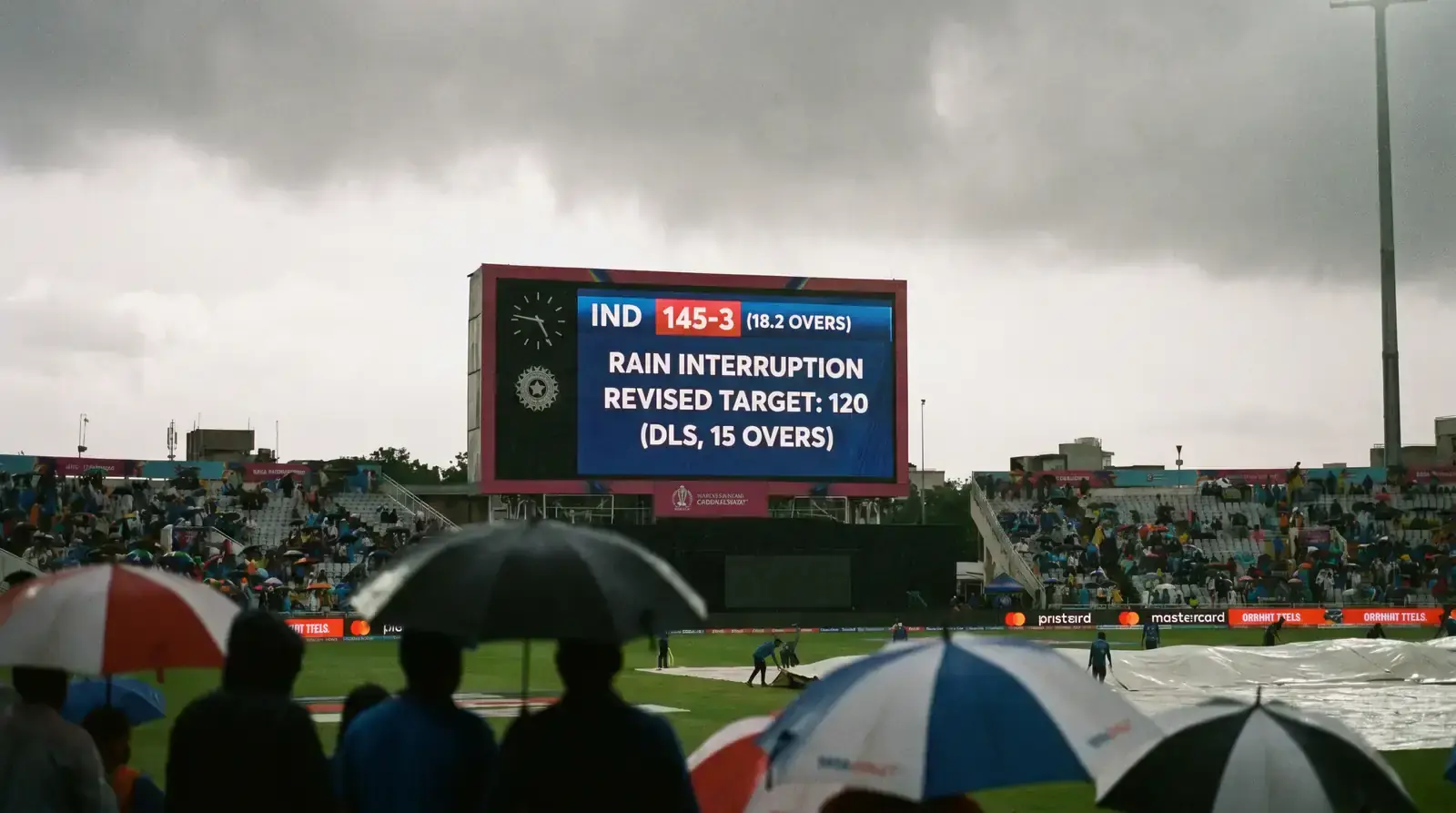
Rain does not just delay cricket — it transforms it. When rain interrupts a limited-overs match, the DLS method recalculates the target for the chasing team based on overs lost and wickets in hand. For a detailed breakdown of how DLS affects betting settlements, I have covered the mechanics separately. What matters for weather analysis is understanding how rain probability maps onto betting decisions.
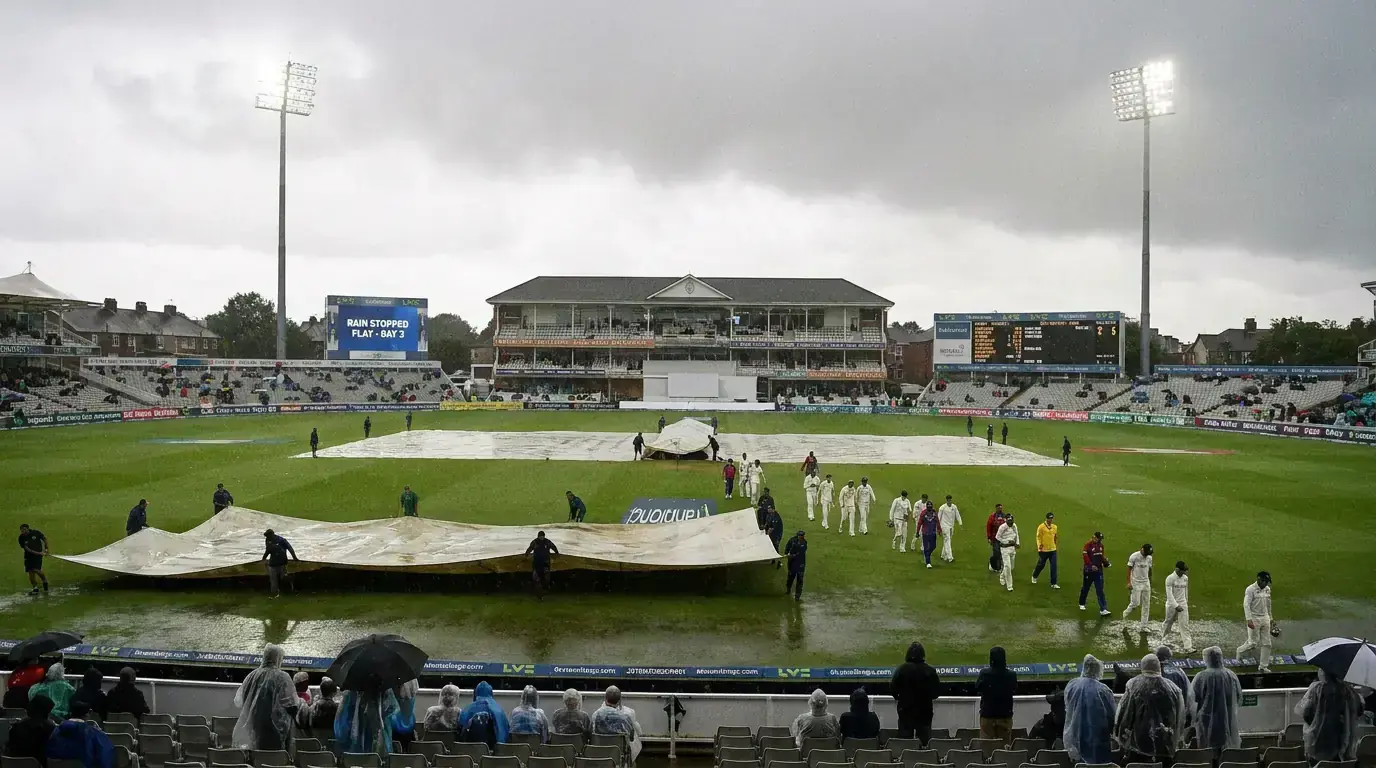
In-play betting now accounts for over 70% of all online sports bets placed in the UK, and rain interruptions create some of the most chaotic in-play price movements in cricket. When rain arrives mid-innings, the live match-winner odds swing violently because the DLS recalculation changes the equation for both sides. Teams that were cruising toward a comfortable chase can suddenly face a revised target that is proportionally harder per over than the original. Conversely, the team batting first may find its below-par total becomes competitive under DLS if overs are reduced.
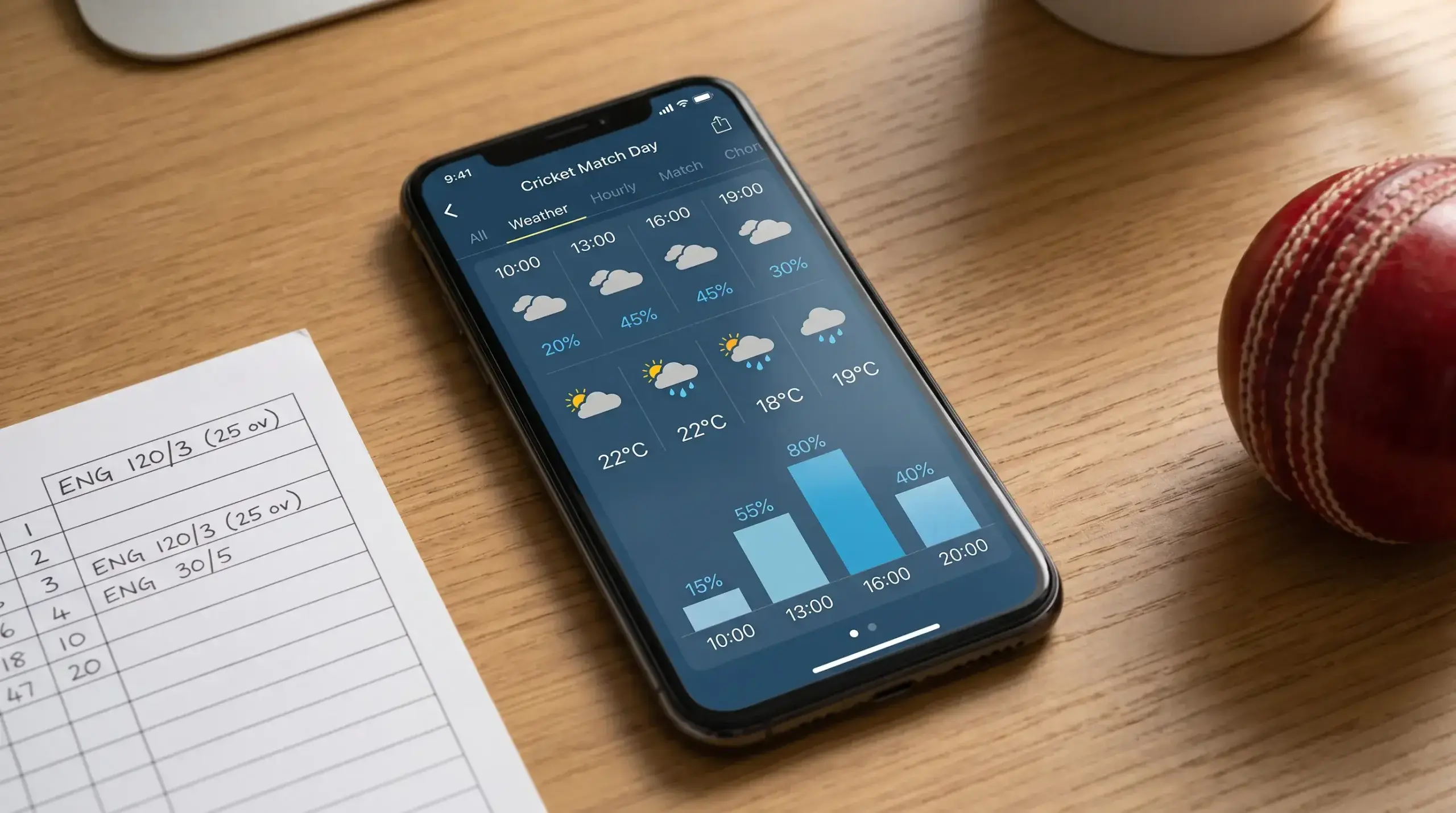
My rain-strategy framework is straightforward. Before every limited-overs match, I check the hourly rain probability for the venue. If rain probability exceeds 40% during the playing hours, I reduce my position size on match-winner bets by half, because the variance introduced by potential DLS recalculation widens the range of outcomes beyond what my model can price accurately. If rain probability exceeds 60%, I move to session-specific bets (first innings total, powerplay runs) that resolve before the rain window, or I sit the match out entirely.
Weather Sources That Actually Help
Not all weather data is equal. The BBC weather app gives you a daily summary that is too coarse for cricket betting. What you need is hourly precipitation probability, cloud cover percentage, and wind speed for the specific location of the ground — not the nearest city. I use three sources: the Met Office’s hourly forecast (best for UK venues), Windy.com (best for subcontinental and international venues, with multiple forecast models), and AccuWeather’s MinuteCast for short-range precipitation timing on match days.
The timing of weather events matters more than their occurrence. Rain forecast for 14:00-15:00 in a match starting at 11:00 has different implications than rain forecast for 11:00-12:00. Early rain delays the start and may reduce overs, changing the match format and the batting conditions (a rain-freshened pitch seams more). Late rain interrupts a match in progress and triggers DLS. I map the rain timing against the expected match timeline — first innings overs, break, second innings overs — to assess which phase the rain is most likely to affect and how that changes my probability estimates.
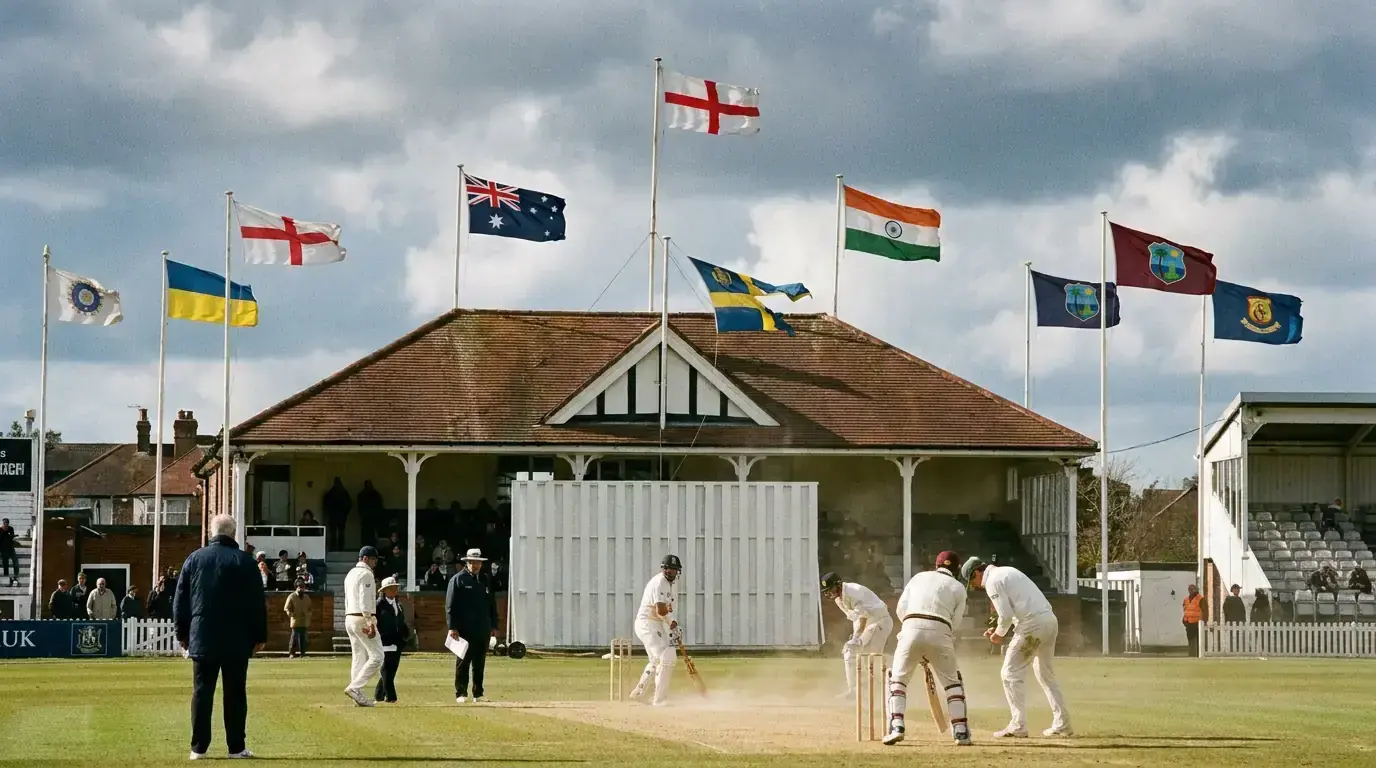
Wind is the overlooked weather variable. Strong crosswinds at grounds with short boundaries on one side (the Chinnaswamy in Bangalore, Edgbaston’s Raglan Stand end) increase scoring rates because batsmen can use the wind to carry shots further on the shorter side. I add 5-8% to my projected total at high-wind venues when the wind direction favours the short boundary, and I have found this adjustment to be positively correlated with over/under outcomes across a two-year sample.
