


I get this question more than any other from people who discover what I do for a living. The short answer is yes — cricket betting is fully legal in the United Kingdom for anyone aged 18 or over, provided you use a bookmaker licensed by the UK Gambling Commission. The longer answer involves understanding why that licence matters, what protections it gives you, and what risks you face if you step outside the regulated framework. The UK’s total gross gambling yield reached a record GBP 15.6 billion in the most recent financial year, and cricket represents a growing share of that regulated market.
The Gambling Act 2005: What It Established
The Gambling Act 2005 is the legal foundation for all commercial gambling in Great Britain. It came into force in 2007 and established the UK Gambling Commission as the regulatory body responsible for licensing operators, protecting consumers, and ensuring fair play. Before the Act, gambling regulation was fragmented across multiple pieces of legislation dating back to the 1960s. The 2005 Act consolidated everything into a single framework with three core objectives: keeping gambling crime-free, ensuring it is conducted fairly, and protecting children and vulnerable people from harm.

For cricket bettors, the practical impact is straightforward. Any bookmaker operating in the UK must hold a licence issued by the Gambling Commission. That licence imposes obligations on the operator: they must verify your identity and age, segregate customer funds, offer responsible gambling tools, and resolve disputes through an approved alternative dispute resolution provider. The total GGY of the UK gambling industry reached GBP 16.8 billion for the April 2024 to March 2025 financial year, reflecting the scale of the regulated market and the revenue it generates under this framework.
The Act has been under review since 2020, with the government publishing a White Paper in April 2023 proposing updates including enhanced affordability checks, restrictions on bonus offers, and a statutory levy on operators to fund research and treatment. These changes are being implemented incrementally and will further strengthen the protections available to bettors without changing the fundamental legality of cricket betting.

UKGC Licensing: What It Means for You
A UKGC licence is not a rubber stamp. The Gambling Commission conducts detailed assessments of each operator’s financial stability, ownership structure, anti-money laundering procedures, and responsible gambling policies before granting a licence. Operators are subject to ongoing monitoring, compliance audits, and enforcement action if they breach their licence conditions. Andrew Rhodes, the Commission’s chief executive, made the scale of enforcement clear: the Commission achieved a 300% year-on-year increase in criminal cases taken forward, covering areas including betting integrity, cheating, and illegal gambling.

For a cricket bettor, using a UKGC-licensed operator means your funds are protected under the Licence Conditions and Codes of Practice (LCCP). Customer funds must be held in segregated accounts or protected by equivalent arrangements, which means if the operator goes bust, your balance is not lost to general creditors. The operator must also provide clear terms and conditions for bet settlement, including specific rules for cricket — what happens if a match is abandoned, how DLS-affected results are settled, and when bets are voided.
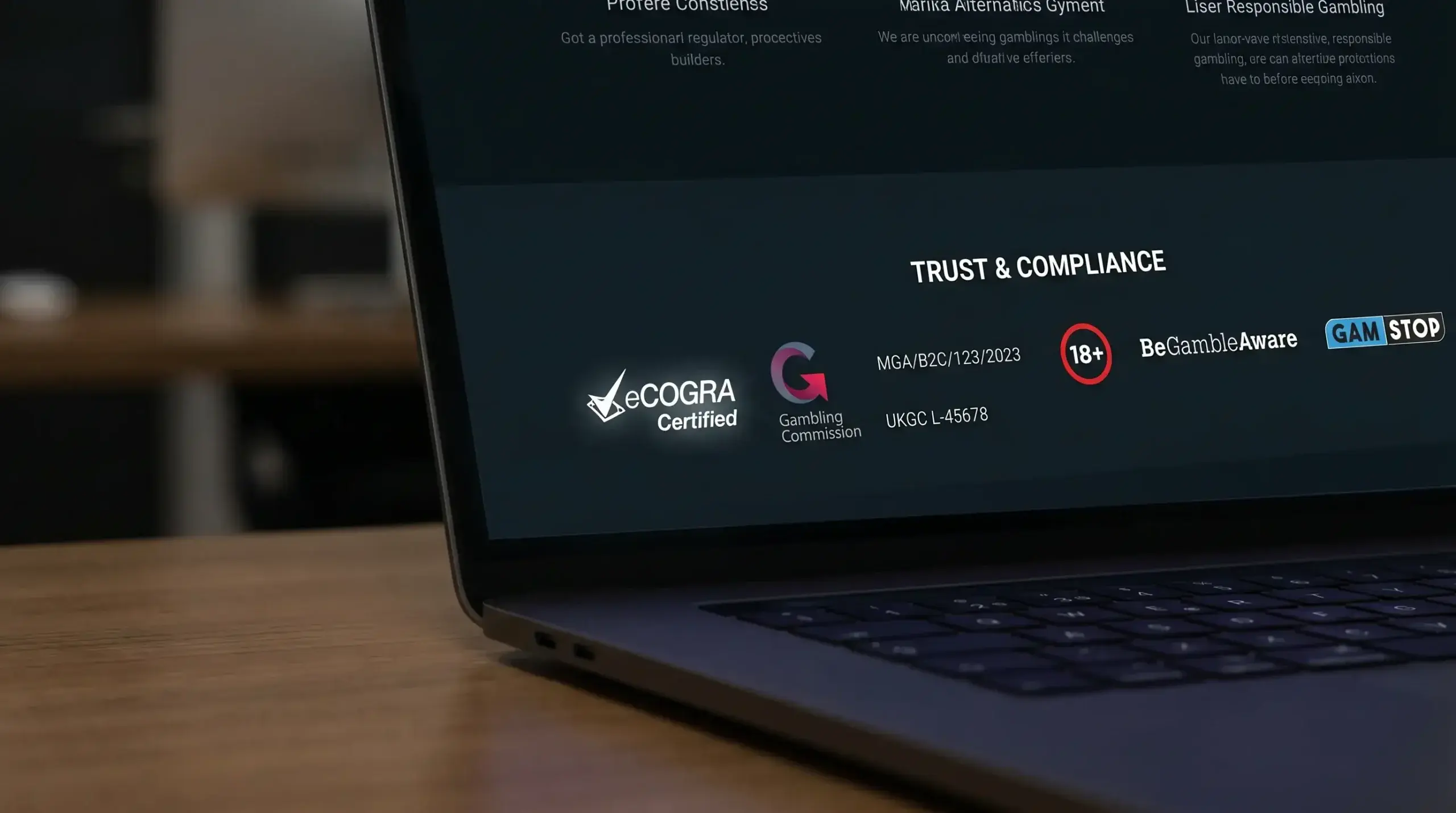
You can verify any bookmaker’s licence on the Gambling Commission’s public register, which lists every licensed operator along with their licence status and any regulatory actions taken against them. I check this register before opening any new account and recommend doing the same. A bookmaker that claims to be licensed but does not appear on the register is either lying or operating under a different entity name — both are red flags.
Your Rights as a UK Cricket Bettor
UK regulation gives you a set of concrete rights that many bettors are not aware of. You have the right to set deposit limits, loss limits, and session time limits on your account. You have the right to self-exclude from individual operators or from all UKGC-licensed platforms simultaneously through GAMSTOP. You have the right to access a transaction history showing all bets placed, deposits made, and withdrawals processed. And you have the right to escalate unresolved disputes to an independent alternative dispute resolution body, which the operator must have in place as a licence condition.
One right that catches people off guard: bookmakers can restrict or close your account if they believe you are a consistently profitable bettor. This is legal and common. The Gambling Commission has clarified that operators are not required to accept every bet from every customer, though they must communicate restrictions clearly and process outstanding withdrawals promptly. If your account is restricted, you retain the right to withdraw your full balance and to receive a clear explanation of the restriction.

The complaints process matters. If a bet is settled incorrectly or you believe the operator has breached their terms, your first step is the operator’s internal complaints process. If that does not resolve the issue within eight weeks, you can escalate to the operator’s designated alternative dispute resolution provider (usually IBAS or eCOGRA for sports betting). I have used IBAS twice over my career — both times the process was slow but the resolution was fair. Knowing the process exists is itself a form of protection.
Offshore and Unlicensed Operators: The Real Risks
The temptation to use offshore bookmakers typically comes from one of two motivations: higher odds or access to markets that UK operators do not offer. Both are real advantages in theory and significant risks in practice. An operator without a UKGC licence is not subject to UK consumer protection laws, which means your funds are not segregated, your disputes have no formal resolution mechanism, and the operator can change terms, void bets, or refuse withdrawals with no regulatory consequence.
I have spoken to bettors who lost four-figure sums on offshore platforms that simply stopped responding to withdrawal requests. There is no recourse in those situations — the Gambling Commission has no jurisdiction over unlicensed operators, and the legal cost of pursuing an offshore entity through foreign courts is prohibitive for individual bettors. The higher odds offered by unlicensed platforms are often a customer acquisition tool funded by the money they never intend to pay out.

Cryptocurrency gambling platforms occupy a grey area that UK regulators are actively addressing. Some operate outside UK licensing requirements by claiming to be based in jurisdictions with minimal oversight. The Gambling Commission has flagged crypto gambling as an emerging priority, and bettors who use these platforms do so without the protections that UKGC licensing provides. My advice is unambiguous: use only UKGC-licensed operators, accept the marginally tighter odds, and bank the certainty that your funds and your rights are protected.
